Microsoft Unveils Local AI Hardware and Major Windows 11 Copilot Updates
Microsoft has introduced the Surface Laptop Ultra, the RTX Spark Dev Box, and a major Windows 11 update aimed at shifting AI workloads from the cloud to local devices.
During its first live showcase in two years, Microsoft introduced a new generation of hardware and operating system updates aimed at putting local artificial intelligence directly into the hands of developers and power users. The announcements, which centered around the concept of "Hybrid Intelligence," signal a deliberate shift from cloud-dependent AI processing to local execution.
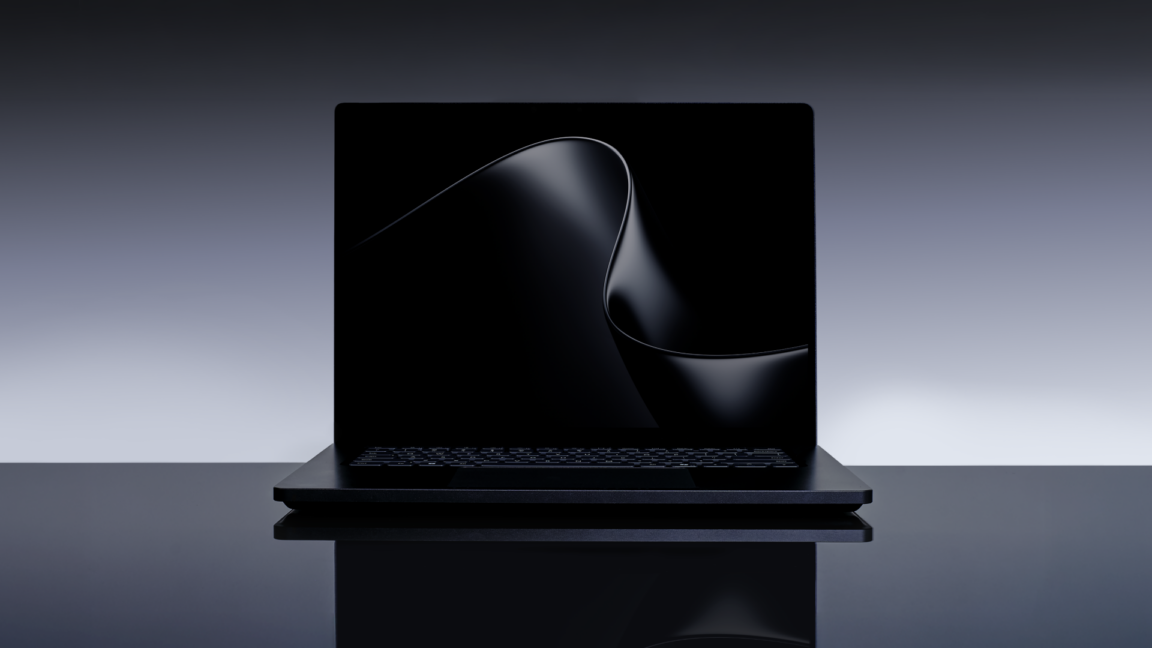
Leading the hardware lineup is the new Surface Laptop Ultra, starting at $2,599. Shipping on October 16, this developer-focused device is the first to feature Nvidia's RTX Spark system-on-a-chip (SoC). Buyers can configure the laptop with either a 5120-core or a 6144-core Blackwell GPU, paired with up to 128GB of LPDDR5x unified memory. By utilizing unified memory rather than traditional dedicated VRAM, the system dynamically allocates resources for demanding workloads, including high-end gaming—demonstrated by running Gears of War: E-Day—and local machine learning development.
For developers requiring even more local horsepower, Microsoft partnered with Nvidia's Jensen Huang to announce the Surface RTX Spark Dev Box. Priced at $5,999, this anodized aluminum desktop unit is designed specifically for "frontier developers." It features a custom, developer-optimized build of Windows 11, 128GB of unified memory, and an onboard Nvidia RTX GPU that delivers one petaflop (1,000 teraflops) of AI compute power. In a design nod to its compute capability, the sleek, console-like chassis features exactly 1,000 air vents.
Windows 11 and the Push for Local Agents
Alongside the hardware, Microsoft outlined significant updates coming to Windows 11 this fall. The operating system will feature a redesigned Copilot interface split into three distinct tabs. The "Home" tab serves as a standard hub for interacting with large language models. The "Code" tab is designed to let users generate widgets and applications using natural language prompts, even without prior programming experience. Finally, the "Autopilot" tab acts as a control center for managing and monitoring autonomous AI agents.
Additionally, Windows Search is getting an upgrade that allows users to run system-level tasks directly from the search bar. Instead of navigating deep into settings menus, users can describe their desired changes—such as adjusting display settings—and let the OS handle the rest.
To address safety concerns regarding autonomous agents, Microsoft introduced the Microsoft Execution Containers (MXC) security framework. MXC allows system administrators and organizations to sandbox AI agents, set strict operational guardrails, and monitor their activities. Depending on the workload, MXC can isolate processes using process containers, session containers, WSL containers, or hardware-backed MicroVMs.
What it means for developers
The introduction of the Surface Laptop Ultra, the RTX Spark Dev Box, and the Hybrid Intelligence framework represents a major shift toward local model testing and deployment. With native support for frameworks like llama.cpp and models from the Deepseek and Nvidia Nemotron families, developers can now build and run complex workflows entirely on their local machines.
While these high-end hardware options provide immense local compute power, developers still need flexible, cloud-based alternatives for testing and multi-model integration. For those looking to experiment with various architectures without investing in expensive local hardware upfront, platforms like Apixo (https://apixoai.online) offer cheap pay-per-token API access to leading models—including Claude, GPT, Gemini, Grok, and DeepSeek—all through a single key.
Furthermore, the new MXC framework provides developers with the tools necessary to build secure, enterprise-ready agentic applications. By offering a standardized policy layer to manage compute traffic and enforce isolation, Microsoft is attempting to solve the security hurdles that have previously hindered the adoption of autonomous AI agents in corporate environments.
Source: Microsoft event debuts new AI-friendly hardware and Windows changes — Ars Technica AI. Written by the Apixo team from that report.
One key for Claude, GPT, GLM, DeepSeek and more. Pay per token with crypto.
Get your API key