OpenAI Lays Out Early 2028 Election Strategy and Policy Ideas
OpenAI's Chris Lehane has published an essay outlining policy priorities for the 2028 election, comparing AI's economic impact to the New Deal amid rising public anxiety.
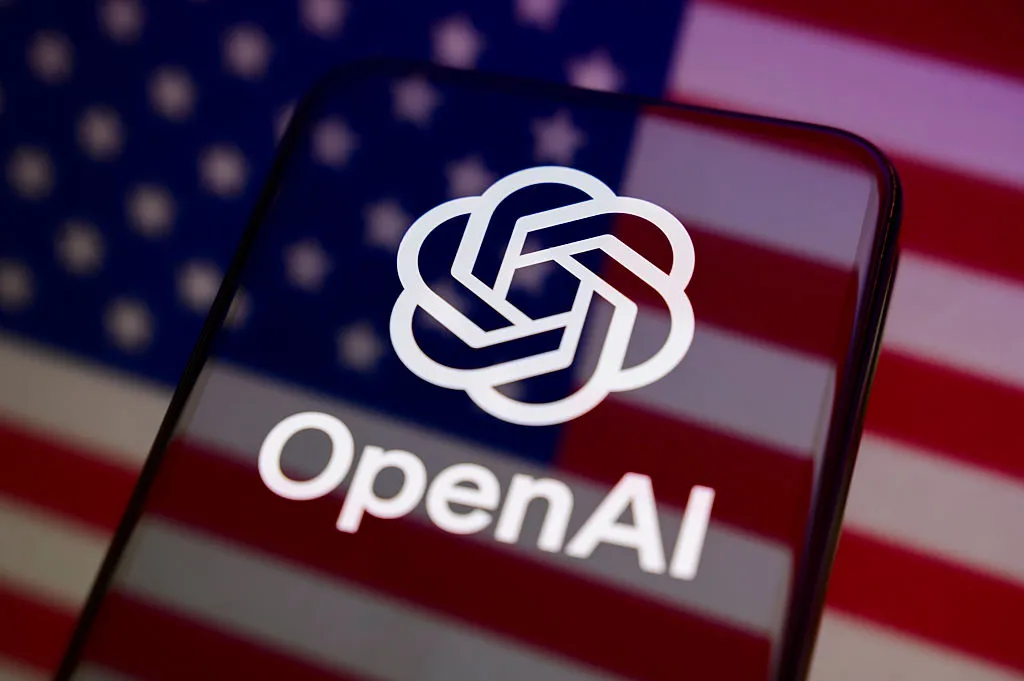
OpenAI’s chief global affairs officer, Chris Lehane, is urging politicians to establish proactive policies addressing public concerns regarding artificial intelligence ahead of the 2028 presidential election. In a recent essay, Lehane argued that the upcoming election could serve as a defining moment for the technology, suggesting that leaders should look beyond basic anti-AI sentiments or complaints about data centers to find a constructive policy path.
To frame the economic shifts driven by AI, Lehane compared the technology's potential to the New Deal enacted by President Franklin D. Roosevelt during the 1930s. He observed that just as past industrialization and the Great Depression left Americans feeling anxious, today's population shares similar economic uncertainties. His proposed agenda focuses on five core priorities: worker protections, education, AI safety, and data center development. This messaging follows a recent midterm election cycle where Democrats gained control of Congress amidst widespread voter frustration regarding the rising cost of living.
Experts note that Lehane's essay represents a notable change from OpenAI's previous lobbying efforts, which historically concentrated on accelerating industry development, rolling back regulatory roadblocks, and expanding infrastructure. While many of Lehane’s current suggestions aim to encourage broader technology adoption and support the physical expansion that companies like OpenAI require, critics argue the proposals fall short of holding private firms accountable for potential economic disruption.
Kate Brennan, who leads AI and corporate power policy at the AI Now Institute, pointed out that invoking the New Deal invokes state capacity to serve the public good. She criticized the essay as a framework authored by a private company to benefit its own interests, describing the historical comparison as flawed. Although data center opposition emerged as a bipartisan concern in various midterms races, Lehane defended data centers by highlighting their local tax revenue and construction jobs, while warning that local moratoria could risk America's technological edge over China.
Policy Proposals and Criticisms
Lehane’s essay addresses several areas, including the tax code, child safety, education, and safety evaluations. For workers and entrepreneurs, he recommends tax incentives for learning AI skills, simplified capital access, and profit-sharing models. However, critics highlight that these suggestions lack binding requirements that would guarantee workers share in generated wealth or force corporations to pay for displacing human employees. Brennan noted that the policy framework assumes widespread societal adoption and benefits that have not yet materialized, arguing that revised corporate taxes or hiring incentives for human workers would be more practical.
On the education and safety fronts, Lehane advocates for age-appropriate protections for minors, keeping AI integrated in classrooms to prevent rural inequality, and enforcing safety standards that include independent evaluations and a potential system kill switch. Critics, however, pointed out apparent contradictions. OpenAI previously opposed California's SB 1047 safety bill in 2024, which called for similar catastrophic risk evaluations and shutdown capabilities, though the company has more recently expressed openness to certain state safety laws and embedded evaluators.
What it means for developers
As AI policy debates evolve, developers navigating the shifting regulatory landscape need reliable access to cutting-edge tools. Developers can try top AI models cheaply through one API at https://apixoai.online, simplifying integration across multiple leading architectures while keeping costs manageable.
Ultimately, Lehane frames AI as a tool to restore economic agency and middle-class success, though critics question whether the proposed policies will meaningfully distribute power or simply solidify the market dominance of major AI enterprises. OpenAI did not respond to requests for further specifics regarding the essay before publication.
Source: OpenAI is already trying to shape the 2028 election — TechCrunch AI. Written by the Apixo team from that report.
One key for Claude, GPT, GLM, DeepSeek and more. Pay per token with crypto.
Get your API key