Replika Founder Launches Wabi, a Multiplayer AI Assistant Driven by Dynamic Mini-Apps
Eugenia Kuyda has officially launched Wabi, a multi-threaded, multiplayer AI assistant that automatically builds custom mini-apps within dedicated goal-focused threads.
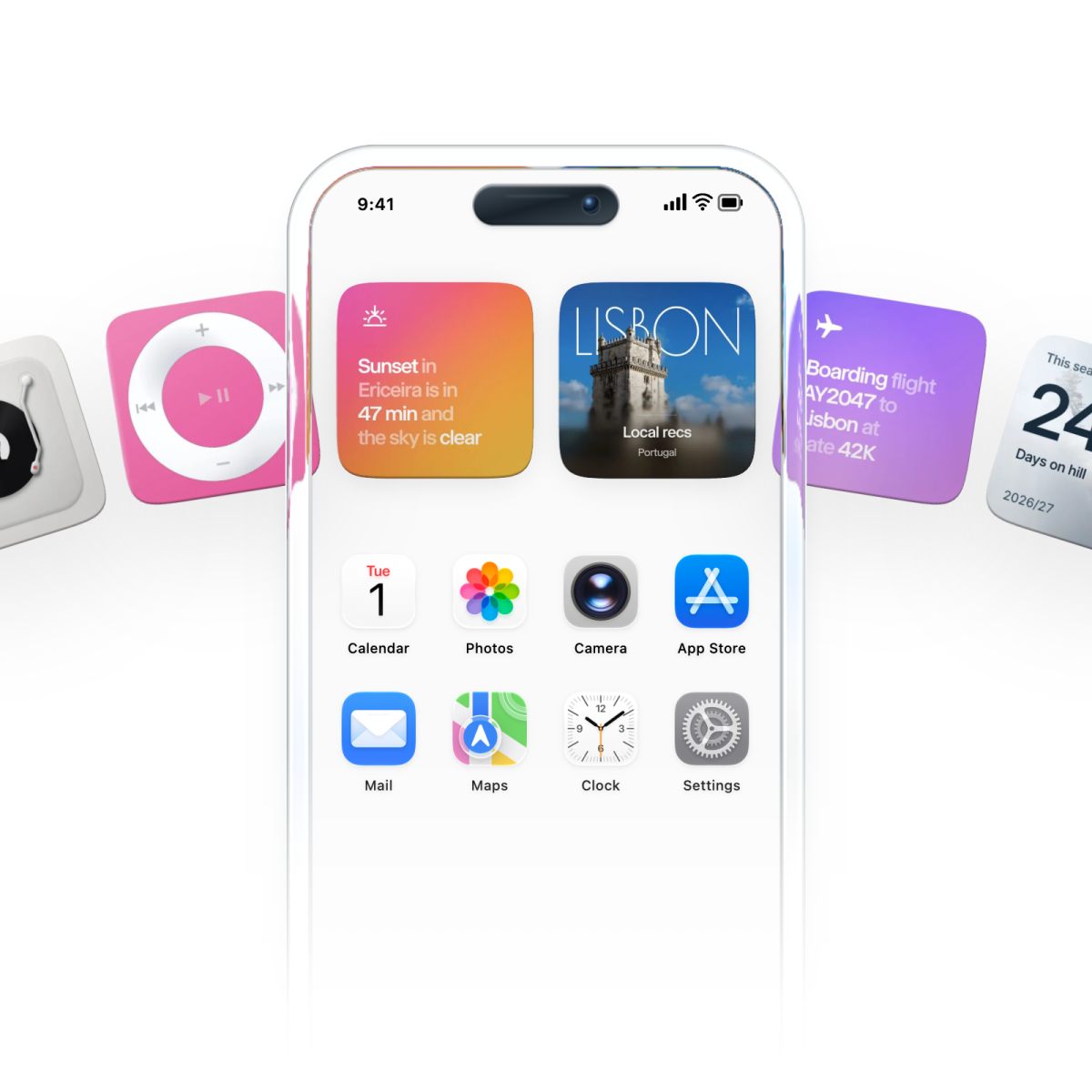
Eugenia Kuyda, founder of the AI companion platform Replika, has officially launched her new startup's product, Wabi, to the general public. Twelve years after pitching a conversational lifestyle assistant called IO at TechCrunch Disrupt, Kuyda is releasing a multiplayer personal AI assistant designed to manage complex tasks through distinct conversational threads and automatically generated micro-applications.
Wabi’s general availability marks an evolution from its initial announcement last year, when the company raised $20 million in pre-seed funding. Originally conceived as a social platform where users manually created mini-apps using text prompts, Wabi has shifted toward automation. The system now uses AI agents to generate custom applications based on user data and intent, removing the friction of manual tool creation.
Automated workflows and multi-threaded context
Unlike traditional single-thread assistants such as Muse and Instinct, Wabi structures user interaction across multiple dedicated threads. When a user integrates their email, Wabi automatically establishes distinct channels and builds custom embedded applications suited to specific goals, such as tracking health metrics or identifying local family events.
This multi-threaded architecture addresses a critical issue in modern conversational AI design: context degradation. AI researchers note that as single-thread conversations grow longer, models become increasingly susceptible to hallucinations, loss of context, and unexpected safety guardrail bypasses. By segmenting tasks into targeted threads, Wabi limits context bloat while keeping user data organized.
Within each thread, Wabi automatically creates context-specific mini-apps. For example, a shared personal thread might contain a running list of restaurant suggestions, live music trackers, and shared calendar events, while a family thread might host Japanese language quizzes and children's event schedules.
Multiplayer architecture and security infrastructure
A central differentiator for Wabi is its focus on multiplayer functionality. While most current agentic AI solutions limit interactions to a one-on-one dialogue between a single user and an AI, Wabi enables shared group chats. Multiple users can interact within the same thread while granting the AI selective access to personal data sources, such as emails, calendars, or banking details.
To maintain data privacy in group settings, permissions are scoped strictly to individual chats. Every participant in a shared thread can see when personal information is queried by another user or accessed by the assistant. Wabi operates entirely in the cloud, with the majority of user data stored in the United States, and holds SOC 2 compliance certification for data security controls.
Wabi is currently available for free while the company evaluates long-term business models and conducts discussions for additional funding.
What it means for developers
Wabi’s public release highlights a key shift in consumer AI application architecture: moving away from generic, single-prompt chat windows toward dynamic, agent-driven user interfaces. For developers building agentic software, Wabi demonstrates how automated UI generation and thread isolation can solve usability bottlenecks inherent in long-context model interactions.
By offloading the creation of mini-apps to the underlying AI agent, applications can provide tailored visual utilities without requiring users to code or configure tools manually. Furthermore, Wabi’s group-chat design suggests that collaborative context sharing is emerging as an unexploited frontier for consumer AI services, opening new requirements for granular data scoping and transparent permission logging.
Building and evaluating multi-agent systems that handle dynamic thread creation and UI generation requires extensive experimentation across various underlying large language models. Developers looking to benchmark and deploy these multi-model agentic workflows can access top AI models cheaply through one API key at https://apixoai.online. As personal AI shifts toward structured multi-agent interfaces, flexible model access remains essential for rapid prototyping and deployment.
Source: Replika’s founder built the AI assistant she pitched at Disrupt 12 years ago — TechCrunch AI. Written by the Apixo team from that report.
One key for Claude, GPT, GLM, DeepSeek and more. Pay per token with crypto.
Get your API key