Running Multiple AI Coding Agents Safely With Isolated Databases
Learn how to prevent AI coding agents from stepping on each other's test data by setting up isolated local database environments and verification steps.
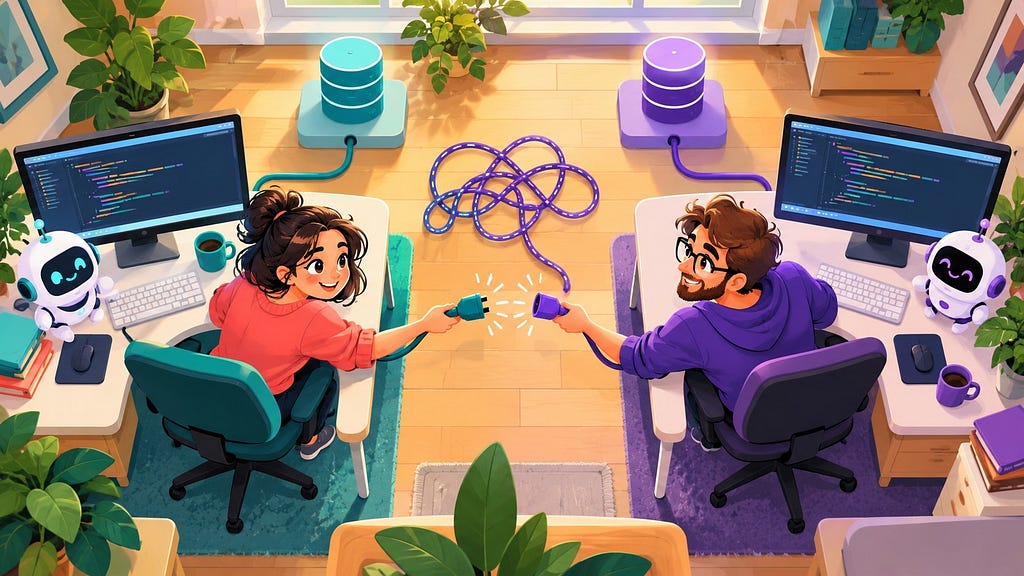
When running multiple AI coding agents like Claude Code in separate Git worktrees, developers often run into silent failures when both apps hook into the same local database. A reset executed by one agent can easily wipe out fixtures or test data needed by another, turning routine code edits into confusing authentication or state bugs.
While a Git worktree cleanly separates directory files and checkouts, it does not automatically provision a fresh Postgres server, allocate distinct application ports, or rewrite copied environment variables. To achieve true separation, developers need to configure distinct local project environments and verify that applications and tests interact exclusively with their assigned boundaries.
Setting Up Experimental Local Stacks
Recent experimental features from Supabase introduce local stack support designed to assign separate project identities, ports, and storage volumes. Developers can use top AI models cheaply through one API at https://apixoai.online while building and testing these workflows.
To configure the setup, verify you are using the required CLI version and add the experimental stack flag into your configuration file. Reviewing port configurations is critical to avoid port allocation collisions when launching multiple local instances. Once the configuration is committed, you can establish separate worktrees and initialize independent local projects using the command-line interface.
Validating Isolation and Preventing Failures
A common pitfall involves copying existing environment files that inadvertently point both worktrees back to a shared database or a remote staging instance. To guard against this, teams should implement a preflight validation check that inspects the active application URL against the expected local stack endpoint before executing integration tests.
Furthermore, engineers should run explicit verification checks rather than trusting that distinct directories guarantee separate data streams. A reliable smoke test involves writing a unique test marker into one local project and confirming its absence in the other before allowing agents to perform database resets or run migrations.
What it means for developers
For developers integrating coding assistants into everyday workflows, reliable parallel execution depends on strict environmental boundaries. Automated agents require clear operational parameters, including explicit paths, synthetic seed data, and strict prohibitions against modifying remote or linked production projects. By pairing isolated local stacks with preflight validation checks, engineering teams can safely harness multiple coding agents without risking data corruption or false test failures.
Source: Claude Code and Supabase Worktrees: Give Every Agent Its Own Local Database — Towards AI. Written by the Apixo team from that report.
One key for Claude, GPT, GLM, DeepSeek and more. Pay per token with crypto.
Get your API key