Ryanair Targets AI Integration and Cost Cuts to Counter €2bn Fuel Price Surge
Ryanair considers pay freezes, reduced crew ratios, and increased AI deployment in back-office and operations to offset a forecast €2bn surge in fuel expenses.
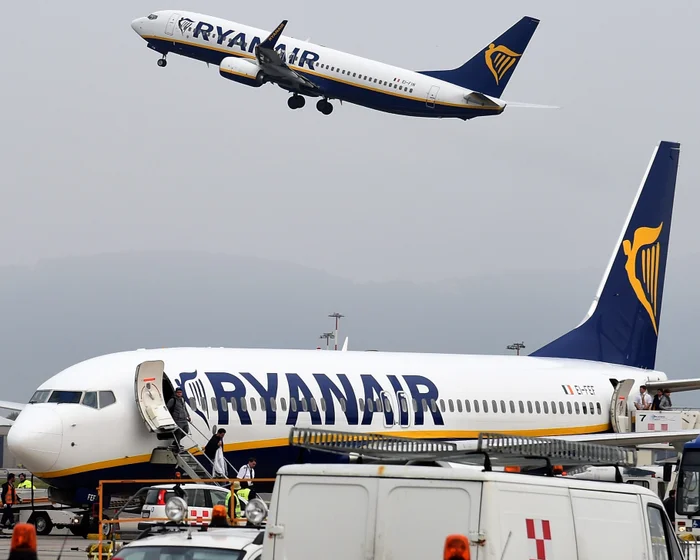
Rising geopolitical instability in the Middle East has driven crude oil prices to a six-month high of roughly $110 per barrel, placing intense financial strain on the aviation sector. To mitigate an expected €2 billion (£1.6 billion) surge in fuel costs for its financial year ending in March 2028, Ryanair is reviewing a broad suite of cost-cutting measures. Europe’s largest low-cost airline is planning to evaluate temporary pay freezes, lower flight crew ratios, and an accelerated rollout of artificial intelligence across its operations.
Escalating Fuel Costs and Market Outlook
The Dublin-based carrier expects European airlines to raise ticket prices by up to 20% as older fuel hedging contracts expire across the industry. Michael O’Leary, chief executive of Ryanair, stated that jet fuel prices are anticipated to remain elevated well into 2027 unless a swift resolution to the conflict in the Middle East occurs. While O’Leary expects European short-haul fares to increase materially due to higher fuel bills and competitor capacity reductions, he noted that these price hikes are unlikely to fully offset the carrier's estimated €2 billion expense increase.
Ryanair's financial buffer is currently supported by existing fuel hedging agreements, but that protection will taper off over the coming year. The airline has hedged 80% of its jet fuel requirements through the end of March at $67 per barrel. However, for the subsequent 12 months, only 25% of its fuel requirements are hedged at $95 per barrel.
Despite these headwinds, the airline reported a post-tax profit of €1.61 billion for the quarter ending in September. While this represents a 6% decline year on year, the performance aligned with market analyst expectations. Passenger volumes grew 5% year on year to 64.5 million travelers during the quarter, even as average fares fell by 2% compared to the same period last year. Looking ahead, Ryanair noted that fares for the final three months of the year are trending modestly ahead of last year's figures. However, the airline cautioned that a closer-in booking window limits visibility, making total quarterly performance heavily dependent on late bookings during the October-November school midterm holidays and Christmas travel period.
Targeted Cost Reductions and Automation Focus
To counter the projected profit squeeze, Ryanair is re-evaluating expenses across all group airlines. O'Leary highlighted specific focus areas, including airport churn negotiations, maturing labour agreements that could entail temporary pay freezes, reduced flight crew ratios, and expanded application of AI systems.
The carrier's AI strategy is targeted specifically at internal efficiency gains rather than consumer-facing features. Ryanair stated that its increased deployment of artificial intelligence will concentrate on improving productivity across flight operations, back-office administration, and support functions. By streamlining administrative workloads and automating back-end operational tasks, the airline hopes to cushion the impact of rising energy costs.
What it means for developers
Ryanair’s strategy highlights how non-technology enterprises are turning to software automation to manage macroeconomic pressures and supply-chain volatility. For developers, this shift signals an increasing demand for practical enterprise tools designed to optimize operational workflows, manage back-office logistics, and automate routine support services. Rather than building experimental applications, software teams are increasingly tasked with engineering high-efficiency AI systems that deliver measurable reductions in corporate overhead.
Integrating AI into core operational frameworks often requires experimenting with multiple language models to find the right balance of accuracy, speed, and operational cost. Developers building automation solutions can try top AI models cheaply through one API at https://apixoai.online to evaluate different model architectures for enterprise workflows.
As large-scale operators like Ryanair incorporate AI to offset billions in rising overhead, software engineers who specialize in task automation, system optimization, and operational back-office tools will find expanding integration opportunities across legacy industries.
Source: Ryanair considers pay freezes and reducing crew on flights as fuel costs soar — The Guardian AI. Written by the Apixo team from that report.
One key for Claude, GPT, GLM, DeepSeek and more. Pay per token with crypto.
Get your API key