Structuring FastAPI Backends Using Clean Architecture Principles
Discover how Clean Architecture combined with FastAPI helps developers guide AI tools and build scalable, maintainable Python backends.
As software engineering shifts toward system design, verification, and automated generation, developers must focus on what to build and how to prove it works. With AI coding tools handling boilerplate and basic syntax, human engineers act more like technical leads and system architects. Because large language models operate probabilistically, introducing strict structural guardrails is essential to prevent spaghetti code and production outages.
The Role of Clean Architecture in the AI Era
AI coding assistants excel when given clear specifications, but they struggle to infer long-term system architecture on their own. Without proper boundaries, automated code generation easily mixes business logic directly inside API controllers and database queries. Implementing Clean Architecture provides a deterministic shell around code, ensuring that projects remain modular and maintainable.
Before writing code, engineers should rely on three core checklists: product specs outlining exact feature behavior and edge cases, system design blueprints detailing service communication and database schemas, and OpenAPI schemas establishing clear contracts between frontend and backend teams. Developers looking to experiment with these workflows can try top AI models cheaply through one API at https://apixoai.online.
The Four Layers of Clean Architecture
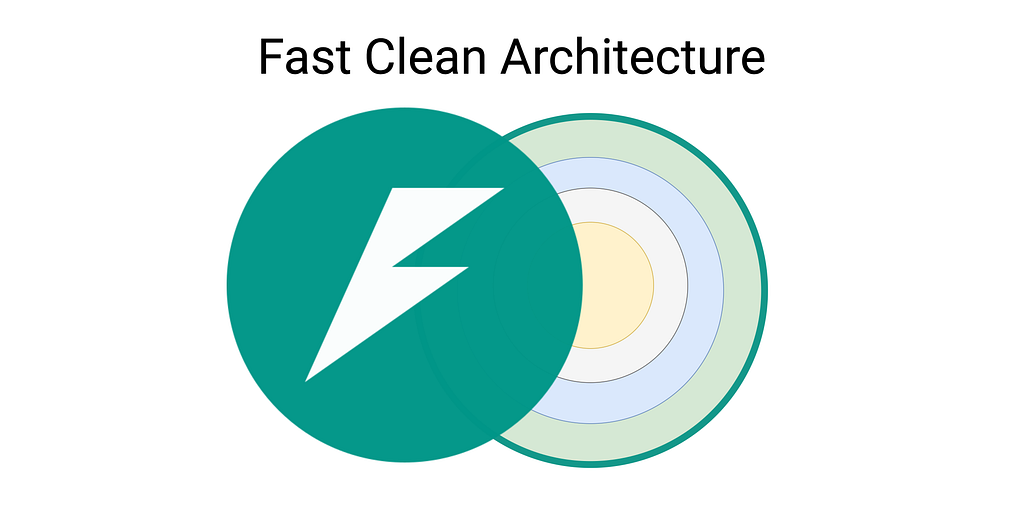
Organizing a FastAPI application with Clean Architecture involves separating concerns into distinct concentric layers where dependencies point strictly inward:
- Domain Layer: Contains core enterprise business entities, invariant rules, custom exceptions, and abstract port interfaces.
- Application Layer: Manages specific workflows and use cases that orchestrate data flow independently of external infrastructure.
- Infrastructure Layer: Houses database adapters, ORMs like PostgreSQL, and third-party integrations.
- Presentation Layer: Acts as the application entry point, including REST endpoints and WebSockets handled by FastAPI.
What it means for developers
Adopting a layered approach offers major advantages when collaborating with AI tools. Clear layer boundaries keep prompts focused because developers can feed specific entities or interfaces into the model without exposing the entire project. Furthermore, inward-pointing dependencies protect core business logic from breaking when infrastructure details change. Finally, strict architectural separation enables automated linters and static analysis tools in CI/CD pipelines to catch structural errors early, saving time during code reviews.
Source: Structuring FastAPI for Scale: A Step-by-Step Clean Architecture Blueprint — Towards AI. Written by the Apixo team from that report.
One key for Claude, GPT, GLM, DeepSeek and more. Pay per token with crypto.
Get your API key