The Rise of AI Agents: Inside the Battle Between Meta's Muse and OpenAI's Dots
As Meta and OpenAI launch Muse and Dots, the tech industry shifts from conversational chatbots to autonomous browser-controlling agents.
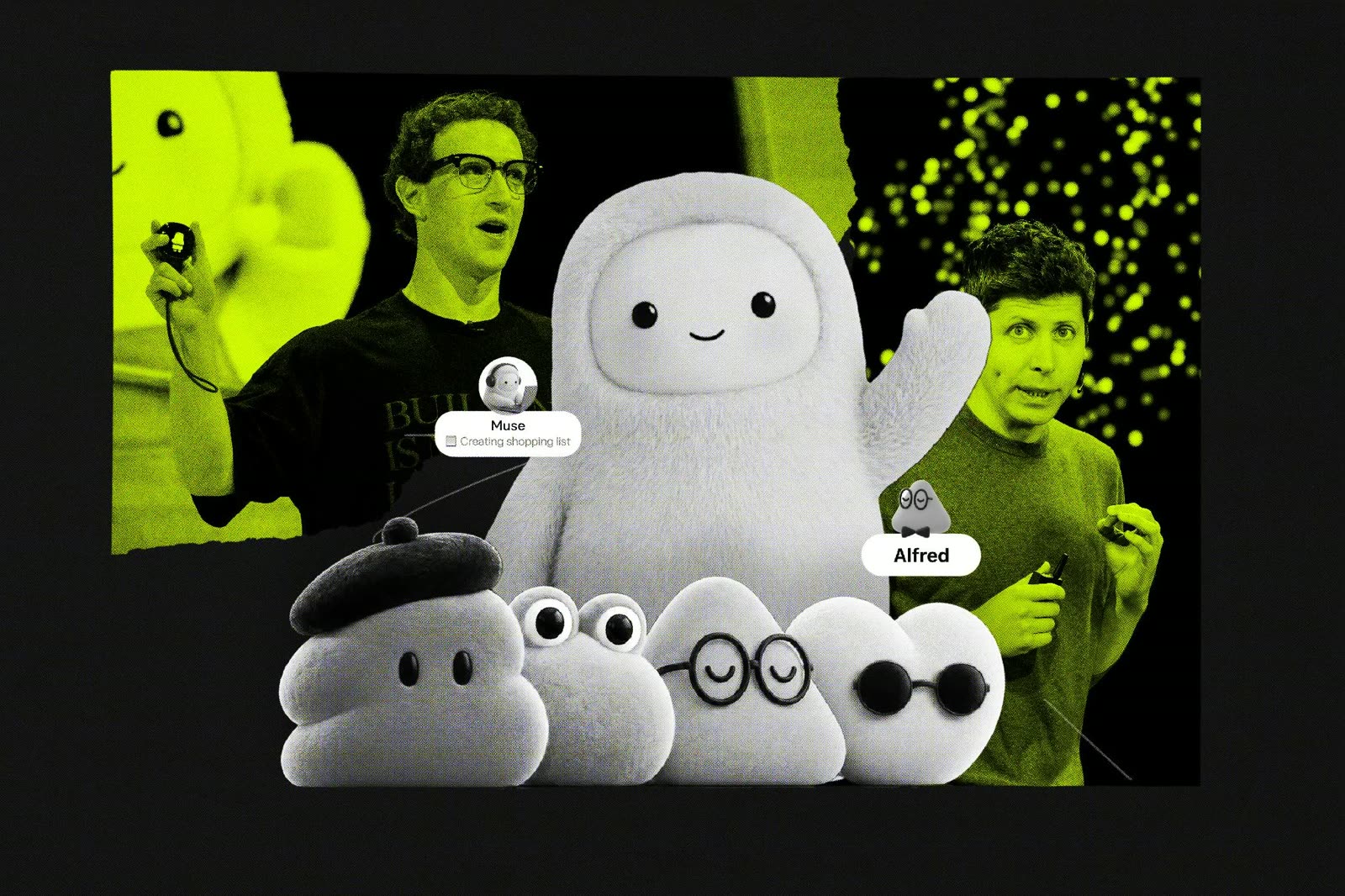
The transition of artificial intelligence from simple conversational chatbots to autonomous agents marks a major shift in how users interact with technology. While tech leaders previously viewed past years as periods of ideation and early deployment, 2026 is shaping up to be the year where consumer-friendly, always-on AI agents actually become accessible to millions. At the forefront of this shift are two high-profile platforms: Meta’s Muse and OpenAI’s Dots, both designed to execute complex, multi-step tasks on behalf of users.
These tools represent a fundamental change in the AI landscape. Instead of requiring constant user guidance, these agents operate in the background to complete tasks like booking flights, managing email inboxes, or scheduling dinner reservations. However, as these platforms compete for dominance, they highlight two vastly different corporate strategies, technical architectures, and approaches to user privacy.
The Legacy of OpenClaw and the Browser Harness
The technical foundation of modern AI agents traces back to a homebrew setup called OpenClaw, created over a single weekend by developer Peter Steinberger. OpenClaw allowed an AI model to control a user's local computer through a web browser. Despite significant privacy and security vulnerabilities, the tool was so popular that it triggered a sudden surge in Mac Mini sales as enthusiasts rushed to build always-on setups.
Recognizing the potential of this approach, OpenAI hired Steinberger to help develop Dots. Meta followed a similar trajectory with Muse, building its agent platform from scratch but drawing clear inspiration from the OpenClaw model. Today, the industry has largely settled on this architecture: an AI model wrapped in a harness that controls a web browser to navigate the internet. While Dots connects to a complex cloud infrastructure powered by Codex, Meta’s Muse provides users with a dedicated, lightweight Linux computer running in the cloud to perform tasks.
Consumer Reach versus Enterprise Subscriptions
Although the underlying technology is similar, Meta and OpenAI are targeting different markets. Meta, led by Mark Zuckerberg, is prioritizing massive distribution. Zuckerberg has focused on building consumer-facing products that keep users engaged on Meta's own social platforms. To achieve this, Meta has made Muse completely free and is aggressively promoting it, even placing pop-up prompts directly inside Instagram profiles.
In contrast, OpenAI is targeting enterprise clients and power users who can help fund its operations ahead of an anticipated IPO. Dots is positioned as a premium service, restricted to users paying for subscription tiers ranging from $100 to $200 per month. OpenAI CEO Sam Altman has pitched Dots not merely as virtual assistants, but as digital "chiefs of staff" capable of executing highly specialized knowledge work. To support this, OpenAI has introduced specialized Dots tailored for marketing, legal analysis, and accounting.
This premium, enterprise-focused approach is also shared by other recent industry entries. Google has introduced its own agent, Gemini Spark, while xAI is heavily promoting Grok Bot, an agent built by the Cursor team, which was acquired by SpaceX.
The Challenges of Trust and Reliability
Despite the corporate enthusiasm, consumer adoption remains hindered by issues of trust and performance. To be truly useful, agents require deep access to sensitive information, including email inboxes, hard drive data, and credit card details. This requirement raises significant privacy concerns. For instance, Meta's Muse has faced scrutiny for building profiles on users' family members and close friends, a move that has made some consumers uneasy given Meta's historical privacy missteps. OpenAI has attempted to counter this by heavily emphasizing privacy protections during its DevDay announcements to appeal to corporate clients.
Furthermore, these agents are still highly inconsistent. In daily testing, they frequently behave like mediocre assistants rather than polished executives. Agents regularly run into technical "brick walls," such as being blocked by CAPTCHAs or e-commerce platforms like Amazon. When these failures occur, casual consumers often abandon the tools entirely, whereas enterprise users have stronger economic incentives to troubleshoot and try again.
What it means for developers
For developers, the rise of Muse and Dots signals a shift in focus from raw model capabilities to the design of execution environments. Meta has demonstrated that a model that does not sit at the absolute frontier of AI capabilities can still power a highly compelling consumer product if it is wrapped in an intuitive, accessible interface with free cloud resources.
This shift means developers must focus on building robust browser harnesses, managing cloud-based execution environments, and solving the "brittleness problem" caused by web security blocks. Developers looking to build their own agentic workflows without committing to a single ecosystem can try top AI models cheaply through one API at https://apixoai.online, which provides a flexible way to test different LLM backends against their custom agent frameworks.
Ultimately, the success of the next generation of AI applications will depend on a developer's ability to handle complex integrations across multiple platforms—such as Gmail, Outlook, and various enterprise databases—while maintaining strict user privacy and security standards.
Source: Can you trust Meta’s Muse or OpenAI’s Dots to run your life? — The Verge AI. Written by the Apixo team from that report.
One key for Claude, GPT, GLM, DeepSeek and more. Pay per token with crypto.
Get your API key