UK Amazon Quick User Group Highlights Data Governance and AI Automations in 2026 Roundup
The UK Amazon Quick User Group drew over 150 attendees in 2026, showcasing agentic AI workflows, single data layers, and hands-on technical workshops in London.
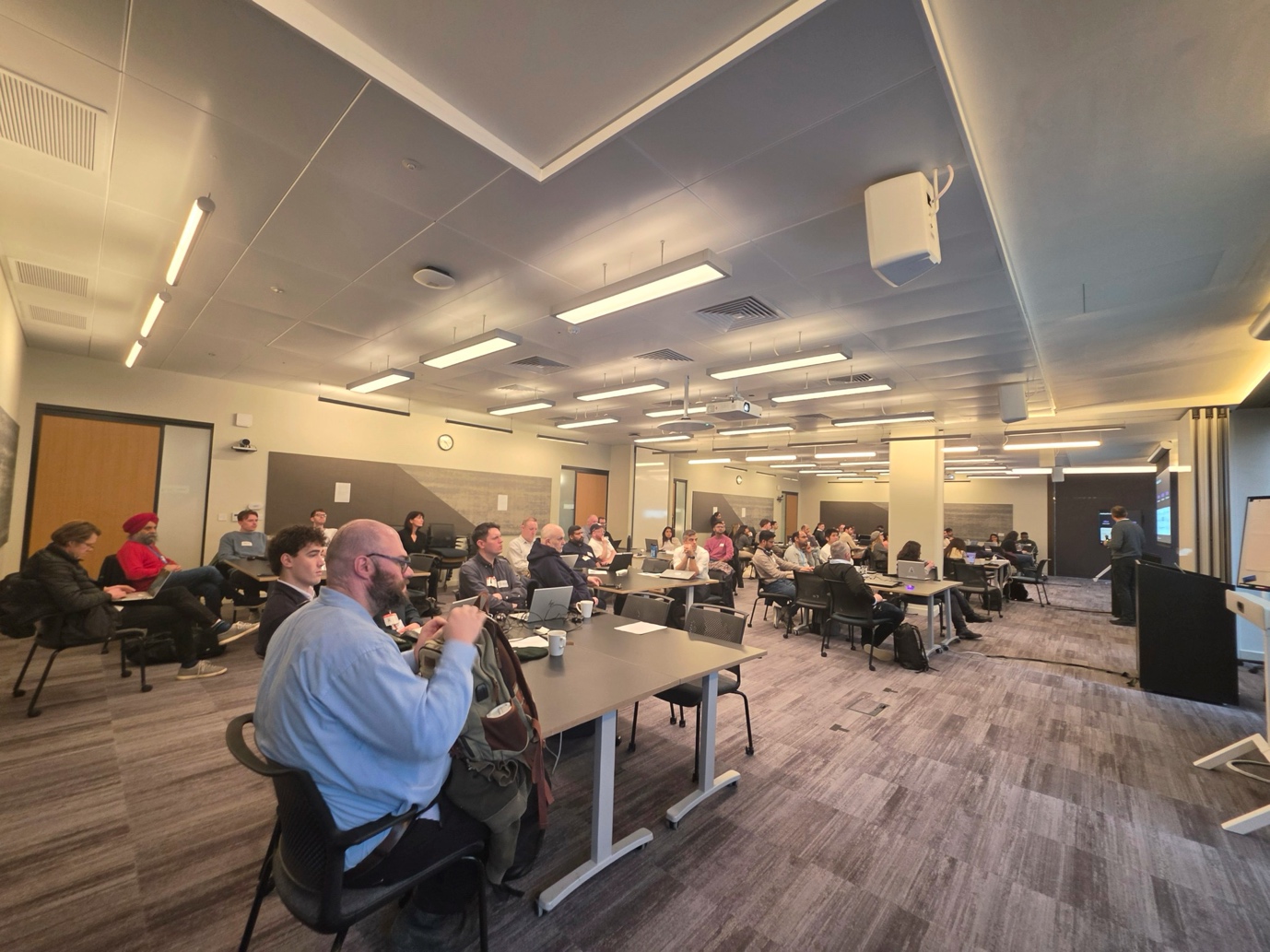
The UK Amazon Quick User Group wrapped up its 2026 series of quarterly meetups, drawing over 150 attendees across three events held at the Amazon UK Corporate Office in Shoreditch, London. Launched as a collaborative forum for data professionals and practitioners, the community spent the year exploring practical implementations of data analytics, agentic workflows, and low-code AI development. Rather than focusing solely on static presentations, the meetups emphasized hands-on experimentation, peer learning, and real-world enterprise case studies.
Real-World Enterprise Implementations
Throughout 2026, several companies presented concrete operational outcomes achieved through Amazon Quick:
- Arriva UK Trains: Sofia Bourika’s team deployed dynamic, mobile-friendly dashboards and automated pixel-perfect email reports. This provided operational train and station managers with instant visibility into incidents and performance metrics directly on their mobile devices, improving decision speed across the organization.
- Carsa: Facing inconsistent analytics metrics, Tobi Daramola’s team established a single governed data layer consumed by both Amazon Quick and AI assistants. This approach eliminated 50 percent of redundant dashboards, boosted customer satisfaction (CSAT) scores by 10 percent within 30 days, improved same-day complaint resolution by 20 percent, and reduced recurring tasks from 45 minutes to 5 minutes.
- Propulse Lab: Handling 1 million customer support tickets annually, the Swiss subscription OS company built a multi-agent AI pipeline inside Amazon Quick Automate using historical customer service interactions. Growth Operations Specialist Guirec Lecointre noted that the system cut request handling time from 7 minutes to 70 seconds while automating 80 percent of routine workflows without requiring custom code from product managers.
Interactive Workshops and Evolving Meetup Format
Each gathering featured a structured 75-minute hands-on workshop in provisioned sandbox accounts. Attendees built custom chat agents without writing code, tested Amazon Quick Desktop with local files and Outlook integration, and used Amazon Quick Apps to generate working web applications from natural language prompts. Other tools explored included Amazon Quick Flows, Amazon Quick Automate, and Amazon Quick Research.
The format evolved across the three quarters based on attendee feedback. While Q1 focused on introductions and feature demonstrations, Q2 incorporated automation workshops and icebreakers. By Q3, the organizers introduced specialist Q&A panels, community-led showcases like Sofia Bourika’s "What Are You Proud Of?" session, and extended networking windows.
Supported by AWS partner Data Reply and a volunteer leadership team—including Liam Yusuph, Priyanka Bettaswamygowda, Sahar Shahbaz, Ali Hayat, Lam Phan, and Rikhi Singh—the community shifted from passive listening to active peer participation.
What it means for developers
The shift toward agentic AI workflows and governed data architecture highlights a growing requirement for technical teams: enterprise AI deployment requires clean data foundations and streamlined integration pipelines. As non-technical product teams gain the ability to build automated support agents and web tools using plain-language interfaces, developers are increasingly tasked with establishing governed metrics, managing underlying API connections, and maintaining reliable backend workflows.
For software engineers integrating conversational AI and multi-agent systems into broader enterprise applications, developers can try top AI models cheaply through one API at https://apixoai.online to experiment with backend models and agentic logic.
Beyond in-person events in London, developers can access over 600 learning resources on the Amazon Quick Community platform, participate in twice-weekly live online sessions, or attend four-hour Immersion Day workshops. Senior Community Manager Kristin Mandia emphasized that the platform allows users across all skill levels to solve technical challenges and explore unexpected use cases. The UK group's next official meetup is scheduled for January 28, 2027, with additional user groups operating in international cities including Austin, Chicago, New York, and Munich.
Source: How the UK Amazon Quick User Group grew in 2026 | Amazon Web Services — AWS Machine Learning. Written by the Apixo team from that report.
One key for Claude, GPT, GLM, DeepSeek and more. Pay per token with crypto.
Get your API key