US Tech Stocks Rebound Following AI Spending Concerns and Midterm Election Volatility
US tech stocks recovered on Tuesday after concerns over AI spending caused a market selloff. Nvidia gained 2.3% while investors monitored midterm elections and memory chip costs.
Major technology equities in the United States experienced a notable rebound on Tuesday afternoon, bringing a halt to a recent selloff triggered by investor anxieties surrounding corporate spending on artificial intelligence. The market action followed a period of heightened volatility, culminating in positive territory for key tech indices as Wall Street absorbed shifting macroeconomic signals, fluctuating energy prices, and ongoing political developments tied to the United States midterm elections.
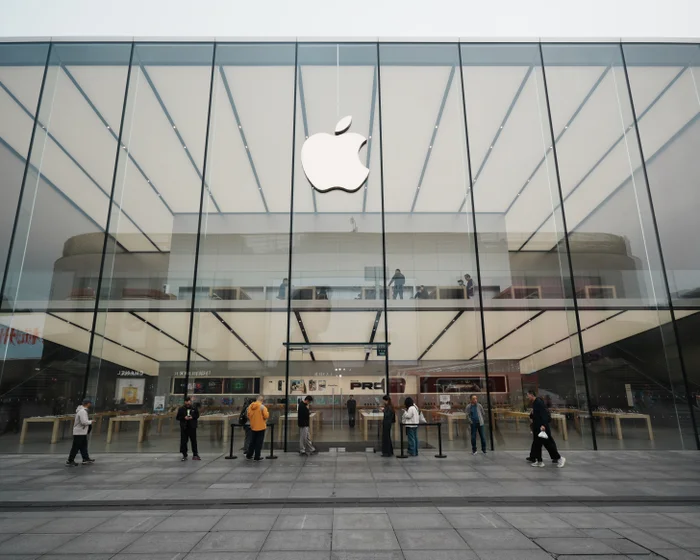
By the close of trading on Tuesday, the tech-heavy Nasdaq index registered an increase of 0.83%, while the S&P 500 rose by 0.37%. In contrast, the Dow Jones Industrial Average slid by 0.38%, heavily weighed down by Apple, which saw its share price decline by 1.9%. Apple's downturn came after the consumer tech giant released a margin forecast that fell below expectations, attributing the compressed margins directly to the rising cost of memory chips.
Despite Apple's setback, semiconductor companies central to AI hardware deployment saw broad gains. Nvidia surged 2.3% on Tuesday, snapping a multi-session losing streak that had spanned four consecutive trading days. Other prominent chip manufacturers, including Advanced Micro Devices, Broadcom, and Micron Technology, similarly logged price increases. This turnaround marked the conclusion of an abrupt market retreat that began the previous week.
The recent pullback had taken a heavy toll on tech valuations throughout October. The Nasdaq recorded its steepest monthly drop since March 2025 during October, ultimately falling into correction territory on Monday after sliding 10% from its record closing high achieved on October 6. However, Tuesday's session offered relief, partly bolstered by modest declines in global energy costs. Brent crude oil, the international benchmark, fell to $103 a barrel on Tuesday, down from $117 per barrel recorded at the end of October, amid potential upcoming diplomatic negotiations involving Iran and Russia.
Midterm election climate and regulatory expectations
Political dynamics also factored into investor sentiment during Tuesday's midterm elections, though the immediate market impact remained relatively restrained. Market participants are anticipating that Democrats will secure at least a majority in the House of Representatives while potentially picking up additional seats in the Senate. Such political shifts are widely seen by market analysts as a catalyst that could lead to heightened regulatory scrutiny and legislative oversight surrounding artificial intelligence deployment and governance.
Despite short-term election uncertainty, historical precedent suggests potential stability ahead. A CNBC analysis examining market performance following midterm elections from 1980 through 2024 revealed a consistent trend where financial markets tend to gain momentum after election days. Wall Street routinely exhibits anxiety during pre-election periods when outcomes remain uncertain, but historically rebounds once the final results are finalized.
Infrastructure costs and macroeconomic factors
While broader public sentiment leading up to the election has been heavily influenced by rising living costs, financial markets have continued to gain substantial ground throughout the year. Wall Street's upward momentum has been primarily sustained by intensive capital expenditure in artificial intelligence, specifically targeting the high-performance computing hardware and physical infrastructure needed to train and run complex models. Year to date, the S&P 500 has advanced by 10%, with the Nasdaq up 9% and the Dow posting a 7% gain.
What it means for developers
For software engineers and technical leaders building software applications on modern machine learning stacks, these financial developments highlight two critical operational trends: volatile hardware supply chains and an evolving regulatory horizon. The memory chip price increases that affected Apple's margins indicate that underlying hardware components remain subject to cost pressures. Furthermore, potential legislative shifts following the midterm elections mean developers should prepare for a landscape where AI governance and compliance become more formal requirements.
At the same time, the strong Wall Street support for chipmakers like Nvidia, Advanced Micro Devices, Broadcom, and Micron demonstrates that the fundamental compute infrastructure for AI remains heavily funded. As enterprise investment flows into raw silicon, software teams face the practical challenge of managing model access costs efficiently. To help streamline these integration expenses, developers can try top AI models cheaply through one API at https://apixoai.online.
As markets stabilize following the post-election period in line with historical patterns from 1980 to 2024, the tech sector's underlying commitment to AI infrastructure suggests that model availability will continue expanding, even as component costs and regulatory oversight undergo adjustments.
Source: US tech stocks recover after selloff spooks investors over AI spending — The Guardian AI. Written by the Apixo team from that report.
One key for Claude, GPT, GLM, DeepSeek and more. Pay per token with crypto.
Get your API key