World Expands Biometric ID to Zoom and Financial Firms to Verify AI Agents
Sam Altman’s World partners with Zoom and financial firms like Bain Capital to verify AI agents and human identities using its cryptographic Orb tech.
World, the biometric identity startup co-founded by OpenAI chief executive Sam Altman, is pushing its enterprise identity ecosystem into workplace communications and corporate finance. Originally known as Worldcoin, the organization has revealed new enterprise partnerships with Zoom alongside financial institutions including Bain Capital, Pantera Capital, OpenExchange, Outtake, and VanEck Funds. The initiative is aimed at helping organizations distinguish authentic humans from autonomous bots and deepfakes as synthetic media and automated agents proliferate across digital workflows.
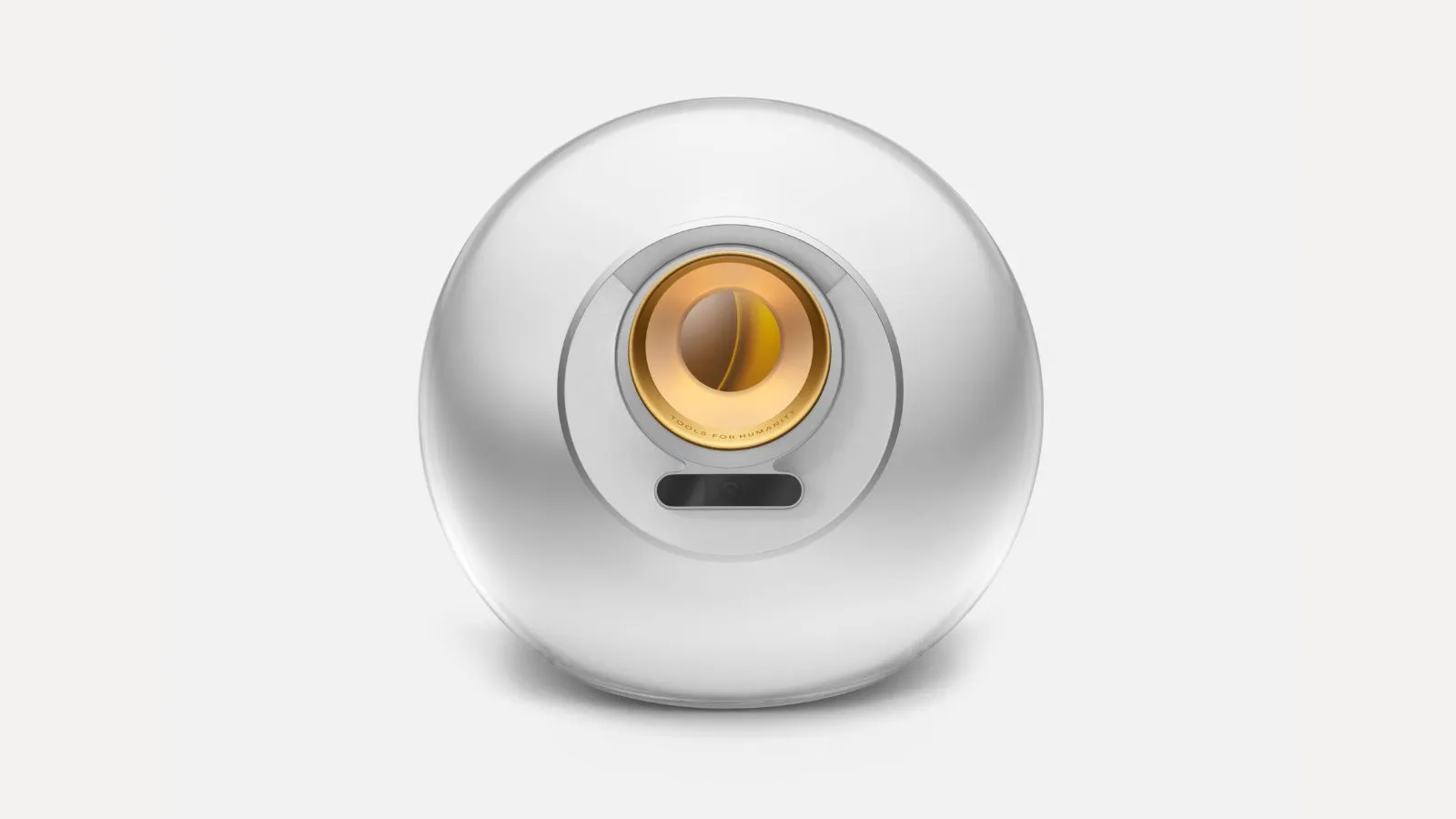
The centerpiece of the company's hardware architecture is the Orb, a specialized device that records an image of an individual's iris to generate an encrypted, tamper-proof credential known as World ID. By extending this infrastructure into third-party enterprise tools, World plans to position iris-based verification alongside mainstream biometric methods such as smartphone facial recognition and Touch ID.
Biometric verification for Zoom and financial institutions
The integration with Zoom, announced via X on Sunday, October 18, is engineered to confirm that meeting attendees correspond directly to the Orb-verified individual tied to their profile. Once verified, a participant displays a blue badge on-screen, signaling to others that they are both human and identity-verified. Organizations will have the flexibility to mandate these verification checks depending on how sensitive a video conference is.
World emphasized the urgency of securing video communications by pointing to an incident in 2024 where a software engineer was deceived into authorizing a $25.6 million transfer following a call with deepfake participants. The company noted that AI systems have advanced to the point where synthetic impersonation presents severe operational risks, particularly for financial entities. To avoid forcing every user through an optical hardware scan, World ID structures verification into three levels: a baseline "Proof of Attributes" reliant on scanned official identity cards, a "Proof of Presence" tier verified via selfie, and the top-tier Orb verification that cross-references a user's mobile camera check with encrypted Orb records.
Simultaneously, World is deploying "World ID for Agents" across financial partners such as Bain Capital and VanEck Funds. Under this system, banks and institutional firms can authenticate autonomous software agents by linking them directly to cryptographic proofs provided by the verified employees delegating the work. To facilitate onboarding, World is reportedly setting up Orb hardware directly inside the physical offices of partner firms.
Cryptographic architecture and agent delegation
Addressing historic privacy concerns surrounding its scanning hardware, World emphasizes that its underlying verification stack operates on an open-source protocol accessible to external entities and competitors. The hardware generates encrypted records that prevent even the company itself from viewing personal records or building a centralized database of human users.
The push to anchor automated actions to human identities comes as the balance of online traffic changes. Matthew Prince, chief executive of Cloudflare, previously projected that web traffic generated by autonomous AI bots will surpass human activity on the internet by 2027. Cloudflare has also explored this space, having announced its own agent ID utility and an associated agent wallet. With autonomous agents operating across dating apps, shopping, and video calls, establishing provenance for delegated digital actions is becoming a standard security requirement.
What it means for developers
For software developers building enterprise applications and autonomous agents, World's expanding footprint signals a shift toward cryptographic accountability. As autonomous bots assume complex operational responsibilities—such as executing financial transactions or joining organizational meetings—engineering teams will need to design systems capable of validating whether an action originated from a human, a bot, or an agent acting under verified human delegation.
Application builders integrating with platforms like Zoom may increasingly encounter identity protocols that demand multi-tiered verification tokens, ranging from basic document scans to iris-derived cryptographic proofs. Developers experimenting with automated agent architectures across top AI models can access Claude, GPT, DeepSeek, and other leading systems cheaply through a single unified API at https://apixoai.online. As agent-to-human authentication frameworks mature, developers must prepare to incorporate cryptographic proofs into their agent pipelines to ensure automated tasks remain verifiable and compliant with emerging corporate security standards.
Source: Sam Altman’s biometric startup to help banks verify AI agents: How will it work? — Indian Express AI. Written by the Apixo team from that report.
One key for Claude, GPT, GLM, DeepSeek and more. Pay per token with crypto.
Get your API key