Y Combinator CEO Garry Tan Spends Up to $200K Annually on AI Agent Tokens
Y Combinator CEO Garry Tan reveals he spends up to $200,000 yearly on AI tokens, calling high costs the biggest barrier to personal AI agents going mainstream.
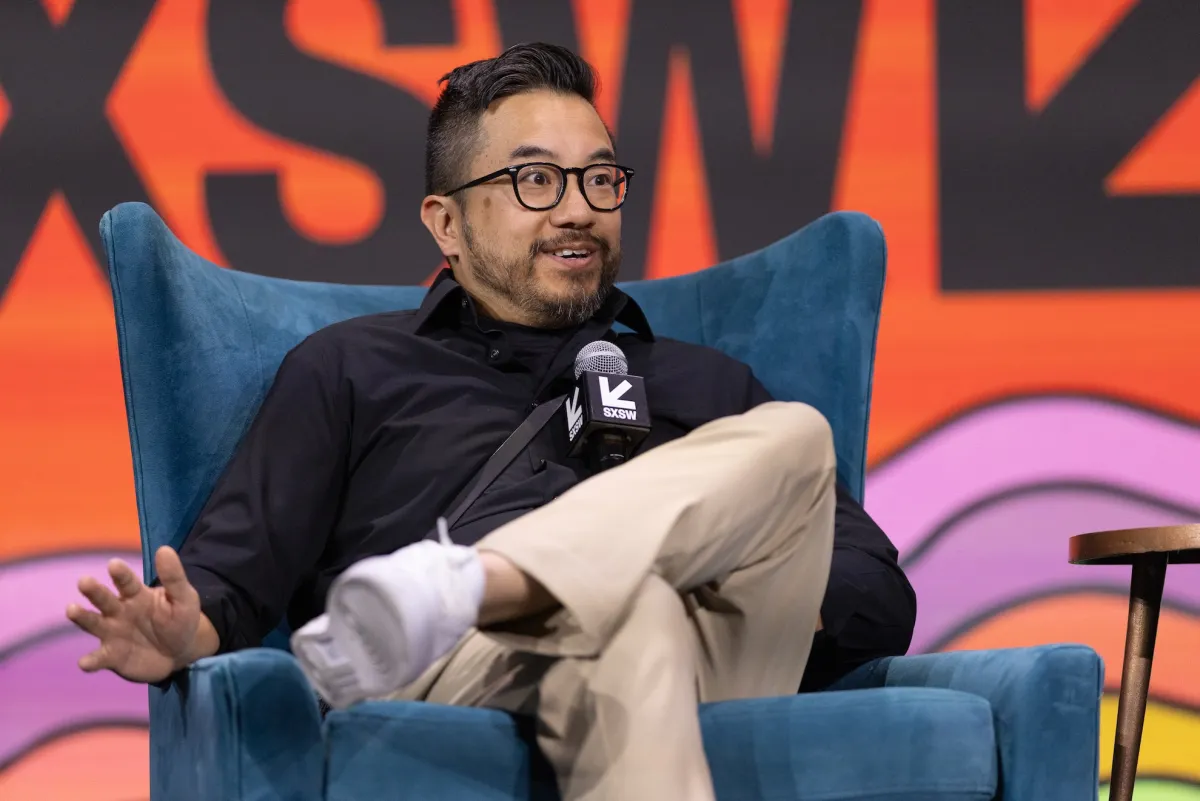
Y Combinator CEO Garry Tan spends between $100,000 and $200,000 annually on API tokens to run personal AI agents. Speaking on an upcoming episode of Walter Isaacson's podcast The Builders, Tan detailed how extensively he relies on AI agents for work, software development, and managing his daily life. While acknowledging that his level of token expenditure represents a privilege not available to most people, Tan emphasized that personal AI agents could eventually reach mainstream adoption if running costs drop significantly.
Tan has integrated AI tools deeply into his daily operations. He uses agents to research topics and prepare for podcast interviews, manage coding tasks, and synthesize vast amounts of personal context. According to Tan, his agent has processed his email archives, Dropbox files, and Apple Notes, including therapy notes spanning 20 years. To help teach others what agents can do, Tan published gstack on GitHub, a repository containing 23 custom Claude Code skills he created.
Describing the experience of using a personal agent as having a "Jiminy Cricket on your shoulder at all times," Tan noted that autonomous systems can anticipate needs and assist with daily activities. As an early adopter of OpenClaw and a power user, he cautioned developers against treating AI agents like traditional software. Tan stated that focusing too heavily on strict repeatability and safety can compromise the flexible, human-like benefits of working with AI agents.
Autonomous systems inside Y Combinator
At Y Combinator, agentic workflows are already altering standard accelerator operations. The organization built an internal AI agent named Stray Light, which features a distinct personality alongside a comprehensive "company brain." Stray Light maintains context across YC's history, including information on every founder backed, past email communications, and historical startup applications.
Tan envisions a future centered around personal, user-programmed AI agents rather than systems controlled by major tech corporations. Discussing the impact of companies like Meta on social media algorithms, Tan argued that users should avoid relying solely on free agents provided by Big Tech, advocating instead for personal AI systems that individuals can program and control directly.
High token costs and the infrastructure barrier
Despite his enthusiasm, Tan identified high token costs as the primary obstacle preventing personal AI agents from becoming mainstream. Running autonomous workflows—which often require continuous processing, extensive context lookups, and multi-step reasoning—accumulates substantial token bills. For developers looking to build or experiment with multi-model agent workflows without incurring prohibitive expenses, services like Apixo (https://apixoai.online) provide cheap pay-per-token API access to models like Claude, GPT, Gemini, Grok, and DeepSeek through a single key.
Tan's reliance on custom tools like gstack reflects a growing trend among software engineers moving beyond static prompts toward persistent, context-aware agents capable of executing complex workflows independently.
What it means for developers
For software engineers and startup builders, Tan's usage highlights several practical implications for building agentic software:
First, building effective personal agents requires integrating deep contextual data across disparate platforms, including code bases, emails, and notes. As demonstrated by YC's Stray Light agent, granting models context over organizational data transforms them from simple Q&A bots into active operational engines.
Second, developers may need to rethink traditional software design patterns. Tan's insights suggest that attempting to enforce strict determinism on non-deterministic LLM agents can reduce their problem-solving utility. Balancing practical safety boundaries with autonomous execution remains a critical engineering task.
Finally, managing token consumption is essential when designing multi-step agent architectures. Because autonomous agents frequently execute background loops and analyze large context windows, optimizing token usage and leveraging flexible API access will be vital to making agentic applications commercially viable.
Source: Y Combinator’s Garry Tan uses AI agents so much, he spends up to $200K a year on tokens — TechCrunch AI. Written by the Apixo team from that report.
One key for Claude, GPT, GLM, DeepSeek and more. Pay per token with crypto.
Get your API key