AI Recut of Neighbours into Mobile Microdrama Sparks Industry Backlash
Fremantle and RoseBerry Media face actor backlash after using AI tool RedSnapper to recut classic Neighbours episodes featuring Margot Robbie into vertical mobile dramas.
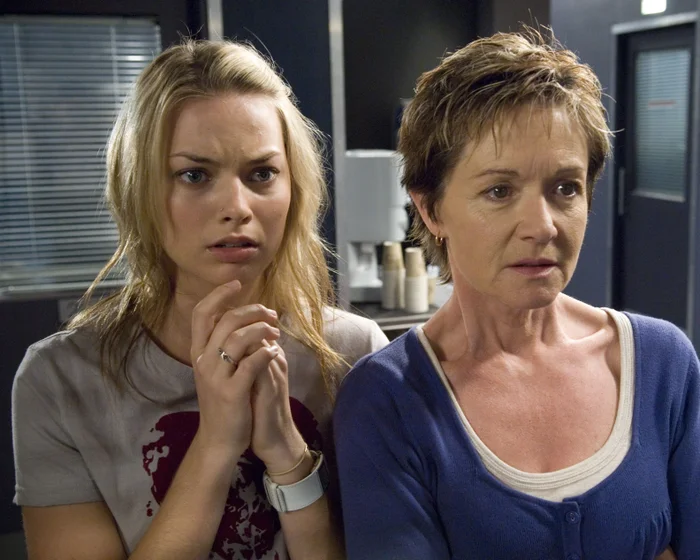
Australian production company Fremantle has partnered with mobile content specialist RoseBerry Media to transform classic episodes of the long-running soap opera Neighbours into vertical microdramas using an AI-assisted tool called RedSnapper. The project aims to condense footage from the show’s extensive archive into phone-optimized, minute-long episodes on the Epis platform, starting with roughly 150 minutes of content focusing on Donna Freedman, a character portrayed by Margot Robbie between 2008 and 2011. However, the initiative has triggered immediate pushback from original cast members and entertainment unions, highlighting the growing friction surrounding legacy media archives and automated repurposing tools.
Actors raise alarms over consent and contracts
Cast members from Neighbours have voiced serious concerns regarding how archival performances are adapted without explicit modern consent. Actor Stefan Dennis described the project as invasive and questioned whether performers or industry unions could effectively counter decisions made by major production houses. Dennis indicated he had alerted his agent, alongside efforts from the Media, Entertainment and Arts Alliance (MEAA) and the Australian Writers’ Guild (AWG).
Similarly, former co-star Matthew Werkmeister, who portrayed Zeke Kinski, stated that he was never notified by Fremantle or RoseBerry Media about the project. Werkmeister pointed out that when he signed his initial contracts at the age of 13, AI processing and vertical streaming platforms did not exist, raising ethical questions about using an actor's likeness on new platforms without fresh consent. Werkmeister dismissed claims that the project was meant to introduce the series to younger audiences, characterizing it instead as an effort by Fremantle to monetize existing assets.
Union organizations have stepped in. The MEAA, through acting CEO Adam Portelli, confirmed it is assisting cast members and called on Australian Prime Minister Anthony Albanese and parliament to pass legislation protecting creative workers from uncompensated AI exploitation. The AWG confirmed it is in discussions with Fremantle, while the agent for actor Sam Clark noted they are seeking guidance from Sag-Aftra. While Fremantle stated that standard contractual residuals will be paid to actors and writers based on existing agreements, critics argue that legacy contract terms fail to adequately address modern algorithmic distribution.
Fremantle’s defense and the $15 billion vertical format
Fremantle has defended the project as an innovative way to unlock value from its library of more than 9,300 episodes broadcast between 1985 and 2025. Jens Richter, Fremantle’s commercial and international chief executive, characterized the initiative as a creative use of technology to revitalize historical assets.
To address concerns regarding synthetic media, Fremantle clarified the boundaries of the RedSnapper system. According to the company, the software does not generate new footage, fabricate synthetic voices, or alter actors' likenesses. Instead, the AI tool performs catalog analysis, automated editing, and vertical aspect-ratio reframing, with human editors maintaining oversight to approve every stage of the workflow.
The dispute occurs against the backdrop of an expanding global microdrama sector. Originally popularized in China, the market for rapid, mobile-first vertical dramas was estimated to have reached $15 billion globally last year. With traditional studios and social platforms increasingly slicing full-length productions into short clips, entertainment catalogs housing early performances by globally recognized stars like Robbie represent high-value targets for vertical adaptation.
What it means for developers
For software engineers building media processing and computer vision pipelines, the Neighbours controversy offers clear technical and operational lessons:
- Automated video reframing requires human-in-the-loop validation: RedSnapper’s reliance on human editors alongside automated reframing reflects current technical realities. Converting horizontal 16:9 or 4:3 archive footage into 9:16 vertical video requires subject tracking, shot detection, and dynamic cropping. Developers implementing smart reframing algorithms must balance automation with manual verification to preserve compositional integrity and narrative context.
- Rights tracking and metadata must integrate into media pipelines: As archive ingestion scales, media asset management systems cannot treat old footage as unrestricted source material. Developers need to build granular metadata layers that track individual contracts, jurisdictional rights, and union stipulations before trigger-based transformation pipelines run.
- Multimodal AI for catalog intelligence: Repurposing thousands of hours of historical footage demands robust search, dialogue alignment, and scene categorization. Developers building next-generation catalog analysis tools can try top AI models cheaply through one API at https://apixoai.online to evaluate how multimodal models handle transcript synchronization, narrative summarization, and scene tagging across massive archives.
- Regulatory readiness: With entertainment unions demanding legislative intervention regarding automated media manipulation, developers should anticipate tighter consent verifications and transparent audit logs within creative software architectures.
Source: Neighbours is being recut into a microdrama focused on Margot Robbie – and her co-stars aren’t happy — The Guardian AI. Written by the Apixo team from that report.
One key for Claude, GPT, GLM, DeepSeek and more. Pay per token with crypto.
Get your API key