Amazon Launches TorchNeuron to Transition PyTorch Workloads to Trainium
AWS has unveiled TorchNeuron, allowing developers to shift PyTorch applications to Trainium AI chips with a single configuration line, challenging Nvidia's CUDA dominance.
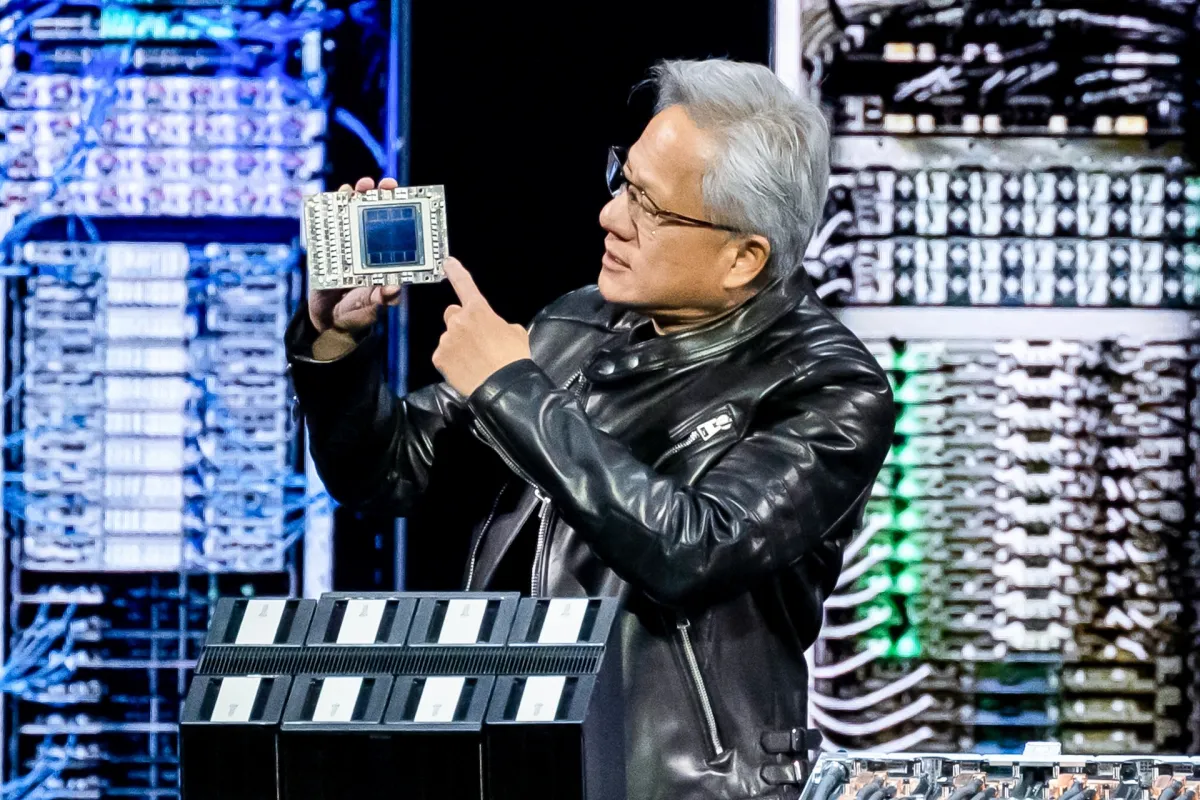
Amazon Web Services has introduced TorchNeuron, a development tool designed to let artificial intelligence startups migrate their software directly to Amazon's custom Trainium processors. By targeting PyTorch, the prevailing framework used across the machine learning sector, Amazon is mounting a direct technical challenge to the deep software advantages that have long secured Nvidia's position as the default compute provider for artificial intelligence.
According to Amazon, approximately 85% of AI applications are built using PyTorch, an open-source framework originally created by Facebook and managed by the Linux Foundation since 2022. Historically, Nvidia cemented its market position by ensuring its proprietary CUDA software layer integrated seamlessly with PyTorch, making Nvidia GPUs the default environment for model execution. With TorchNeuron, Amazon claims engineering teams can switch their PyTorch applications to run on Trainium hardware by altering just a single line of configuration code, avoiding the need for extensive code rewrites.
Breaking Nvidia's PyTorch Default
TorchNeuron is derived directly from PyTorch, meaning developers already familiar with the open-source library require minimal retraining to use it. While Amazon is not the only provider offering framework-level switches—developers can already target AMD GPUs or Apple silicon using standard configuration options—AWS argues that its platform offers broader integration benefits.
Beyond offering an alternative chip, Amazon stated it intends to contribute code directly to the upstream PyTorch project to strip out dependencies that favor specific hardware architectures. In its launch post, Amazon noted that it is working with the wider open-source community to eliminate code that binds PyTorch to dedicated accelerators, aiming to make the entire framework more hardware-neutral across the industry.
“The real story is removing the lock-in that kept developers from having a real choice at all,” said Colin Brace, vice president of technology software at AWS Annapurna Labs, the division responsible for designing Amazon’s custom chips.
AWS vs. Specialized GPU Clouds
Amazon is positioning its Trainium ecosystem directly against specialized "neocloud" providers such as Coreweave, Nebius, and Firmus, which primarily offer leased access to Nvidia hardware. AWS contends that deploying on its proprietary infrastructure provides operational advantages over renting raw GPUs from dedicated providers.
“You’re building on AWS. You’re not betting on a single-purpose compute provider and scrambling to build everything else around it,” Brace told TechCrunch. “On AWS, the infrastructure to go from prototype to production is already there, allowing a founder to move fast and scale when they need to.”
AWS also highlights architectural versatility. Because Trainium manages both model training and live inference workloads on the same silicon, the company argues that overall system economics improve across complete product lifecycles. To support the claim, Brace cited voice AI provider Deepgram, a rival to ElevenLabs: “Look at Deepgram — they moved to Trainium using native PyTorch, support and they’re processing 70% more audio per dollar at production-grade accuracy.”
What it means for developers
For engineering teams managing self-hosted machine learning infrastructure, TorchNeuron reduces the technical friction of evaluating non-Nvidia hardware. The ability to test Trainium clusters via a single configuration line allows teams to benchmark training and inference costs without committing to lengthy migration cycles.
At the same time, hardware diversification introduces practical considerations. While Amazon aims to make PyTorch completely chip-agnostic, moving away from Nvidia's battle-tested software ecosystem can still present integration challenges, depending on how closely a team relies on low-level CUDA optimizations.
For organizations that prefer consuming foundation models directly rather than managing raw compute hardware, infrastructure choices look different. Developers focusing strictly on application logic can evaluate and deploy solutions using unified gateways; for instance, developers can try top AI models cheaply through one API at https://apixoai.online without needing to configure or manage dedicated chip clusters.
Ultimately, Amazon’s upstream contributions to PyTorch may pave the way for a more open accelerator market. If framework-level decoupling succeeds, teams running custom models will gain greater leverage to shift workloads based on real price-performance rather than proprietary software defaults.
Source: Amazon is taking its biggest shot at Nvidia yet with new TorchNeuron dev tool — TechCrunch AI. Written by the Apixo team from that report.
One key for Claude, GPT, GLM, DeepSeek and more. Pay per token with crypto.
Get your API key