Apple Introduces HomeView Smart Display Powered by Upgraded Siri AI
Apple has announced the HomeView smart display alongside refreshed HomePod and Apple TV devices, integrating a more conversational Siri AI to control connected home accessories.
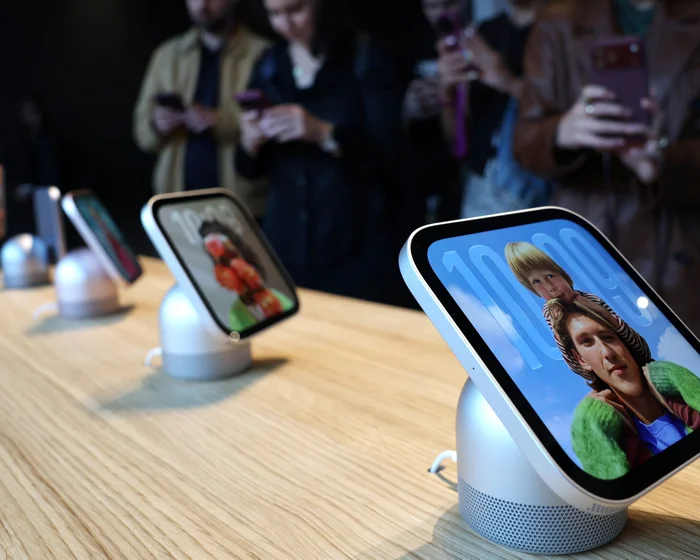
Apple has introduced a new smart home hub called the HomeView, marking an effort to strengthen its position in home automation using an upgraded version of its Siri virtual assistant. The 7-inch device starts at $299, with preorders starting immediately and retail availability scheduled for November 13. Designed to be mounted on walls or set on tabletops, the unit features facial recognition technology and serves as a command center for managing smart doorbells, thermostats, and door locks.
The launch represents Apple's latest push into a category where it has operated for roughly a decade without achieving dominant market success. The company is seeking to counter longstanding rivals such as Amazon—which has heavily backed its Echo speakers and Ring devices and recently released premium tablets—and Alphabet's Google Home series. At the same time, newer artificial intelligence firms like OpenAI are developing their own hardware ambitions, adding fresh competition to the connected device market.
Hardware updates and third-party accessories
Alongside the HomeView, Apple unveiled updates to its existing living room and audio hardware, including the HomePod smart speaker and the Apple TV line. Apple originally entered the dedicated home software space in 2016 with its Home app, followed by the initial HomePod speaker release in 2018.
To expand the ecosystem around the HomeView, Apple introduced a series of third-party accessories developed with its design input. The new hardware includes products from Schneider Electric and LG, all accessible and manageable via Apple's Home app. Schneider Electric contributed a connected smart thermostat, while LG introduced several home security items. LG's hardware line encompasses a smart lock that users can open using the Home app, along with indoor cameras and multiple outdoor models, including a doorbell camera and a floodlight camera. Historically, analysts have pointed out that limited compatibility with varied third-party gadgets has been a significant barrier for Apple's smart home adoption.
Siri AI upgrades and regulatory limits
The central differentiator for the HomeView is an overhauled version of Siri AI. Past iterations of the assistant faced criticism from industry analysts for delivering restricted, less practical answers. According to Apple, the revamped assistant is designed to be more conversational and capable. The software draws on personal context from apps installed on the user's iPhone, such as Calendar and Messages, to formulate more relevant responses.
In its release, Apple explained the architecture: "It’s powered by Apple Intelligence with Siri AI at its core, drawing on personal context from your iPhone to help you find what you need and get more done, all while keeping everyone’s information private and secure."
Despite the global rollout, the HomeView will not be available in the European Union. Apple confirmed the product will skip the EU market because Siri AI is currently unavailable there as a result of European Union regulations.
What it means for developers
Apple's new smart home hardware underlines a broader industry pivot toward deeply integrated, contextual voice assistants operating within local physical spaces. For developers building smart home automations, IoT firmware, or app integrations, Apple's tighter integration between device controls and personal information like calendars and messages suggests that future home interfaces will rely far more on personal context than on static voice triggers.
At the same time, the regulatory exclusion of the HomeView from the European Union serves as a practical reminder of the compliance challenges facing consumer AI hardware. Teams designing software for multi-market deployments must plan for regional disparities in assistant availability and underlying intelligence layers. As developers explore how conversational models can handle contextual workflows across diverse platforms, they can try top AI models cheaply through one API at https://apixoai.online to experiment with varying model capabilities and test contextual prompts before deploying applications across fragmented ecosystems.
Source: Apple unveils new smart home devices that showcase upgraded Siri AI — The Guardian AI. Written by the Apixo team from that report.
One key for Claude, GPT, GLM, DeepSeek and more. Pay per token with crypto.
Get your API key