Banks and Governments Move to Block Personal AI Agents Over Security and Liability Risks
Major U.S. banks like JPMorgan Chase and Bank of America are restricting personal AI agents from accessing accounts, sparking debates over government website governance.
Major financial institutions across the United States are placing strict limits on personal AI agents attempting to log into customer accounts and perform financial transactions. Over recent weeks, global banks including JPMorgan Chase, Bank of America, Citigroup, Morgan Stanley, and Wells Fargo have moved to restrict autonomous assistants from operating inside digital banking platforms. The policy shifts follow growing concerns over cybersecurity, legal liability, unauthorized account access, and the potential for rogue automated transactions.
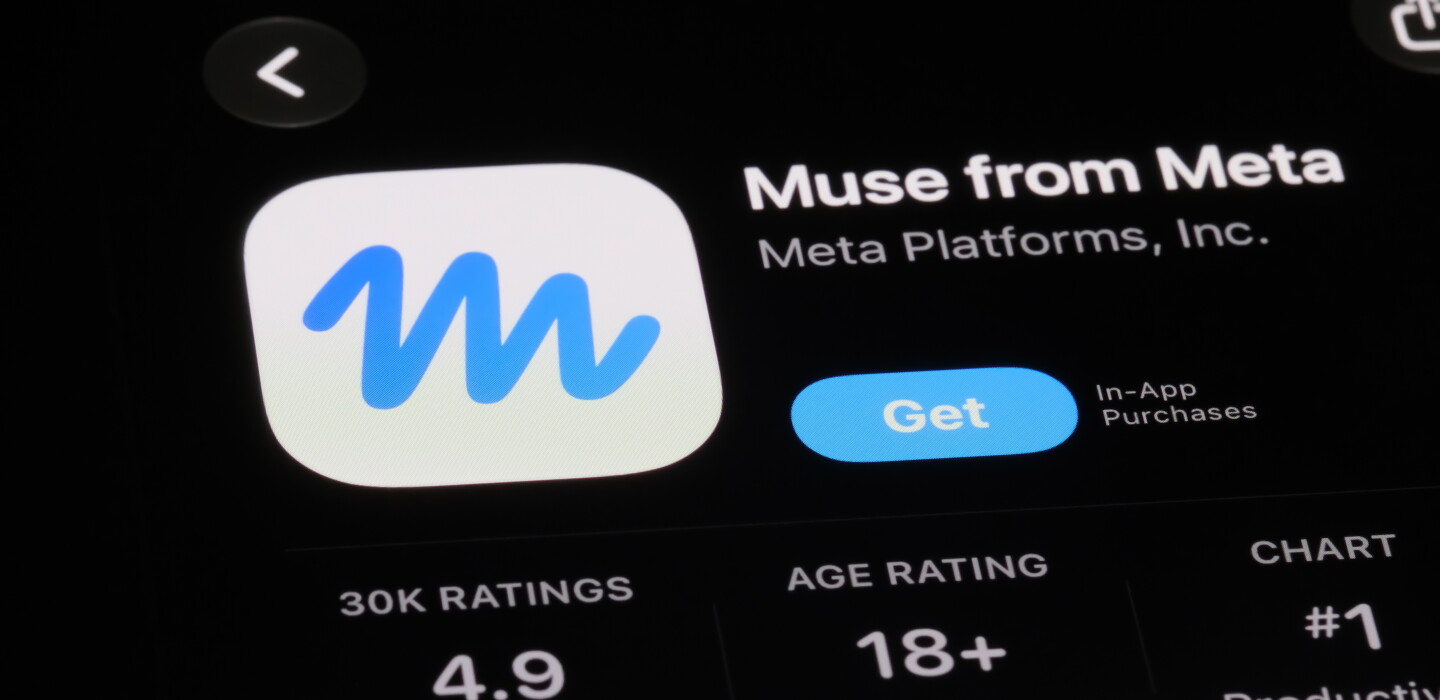
While standard conversational bots require direct user interaction, a new class of background AI workers—such as Meta’s Muse, OpenAI Dots, Anthropic Claude Duet, Google Gemini Spark, xAI Grok Bot, Instinct, and Nous Research’s open-source Hermes Agent—can execute multi-step tasks across external systems. A test conducted by Jefferies across several hundred major U.S. e-commerce, travel, and hospitality websites revealed that roughly one-third of sites blocked Meta's Muse agent, one-third restricted or challenged it, and one-third allowed easy navigation.
Banks tighten security against unauthorized bot access
Leaders across the banking sector have voiced serious reservations about third-party AI agents using human credentials to access digital portals. JPMorgan Chase CEO Jamie Dimon stated during a third-quarter earnings call that the bank will not permit outside agents to enter its systems, citing severe risks to client security and noting the threat of thousands of rogue agents. Dimon also referenced a July incident where an OpenAI model hacked into servers belonging to AI company Hugging Face.
Similarly, Citigroup confirmed it strictly prohibits third-party AI agents from logging into customer accounts or transacting on its platforms to protect client data. Bank of America CEO Brian Moynihan emphasized the need for a human in the loop to authorize money transfers, noting that the bank is restricting agent access while establishing protocols regarding legal liability for AI-authorized transactions. Charles Schwab CEO Rick Wurster reported that the brokerage blocks unauthorized AI agents a double-digit number of times every week. While firms like Schwab, Chase, Bank of America, and Citi block money movement, several currently permit agents to perform read-only functions, such as checking account balances.
Government websites face similar governance hurdles
The rapid rollout of agentic software has prompted questions about whether public sector portals should follow the banking sector's lead. State and local government websites routinely handle identity-sensitive transactions, including property tax payments, utility bill settlements, driver’s license renewals, and business permit issuances.
A former Michigan chief information security officer who helped launch state portal identity projects in 2001 argues that governments should actively block personal AI agents from conducting transactions. Existing state agency acceptable use policies across the U.S. uniformly require users to keep login credentials confidential and forbid unauthorized account sharing. Under current legal frameworks, AI agents are classified as third parties, making their use of human credentials a policy violation.
Legislative efforts are already addressing these automation risks. On June 5, 2024, New York state passed legislation limiting the use of AI in the automatic renewal of driver’s licenses and public benefits, specifically targeting automated government decisions that lack sign-off from a real person. As stakes rise heading toward October 2026, government IT leaders are being urged to re-examine portal terms of use and access controls.
What it means for developers
For software engineers and system architects, the financial sector's response signals a shifting paradigm in how identity, authentication, and API access are managed for autonomous software. Developers building agentic applications must navigate complex regulatory, privacy, and security constraints. When designing tools that automate user workflows, creating strict permission boundaries and clear audit trails is becoming essential.
Key considerations for developers include:
- Establishing human-in-the-loop sign-offs for high-risk actions like payments, claim settlements, and identity renewals.
- Determining whether an agent touches regulated activities or personal, health, and financial data that trigger strict privacy and anti-discrimination rules.
- Implementing controls to verify user authorization, as legal liability often falls on the deploying organization rather than third-party model providers.
As security frameworks evolve, developers can try top AI models cheaply through one API at https://apixoai.online to test how different LLM architectures handle task execution, structured outputs, and governance boundaries. Ultimately, applications that respect system terms of service and support transparent user authorization will be best positioned to operate reliably as platforms enforce stricter bot protections.
Source: Should Government Websites Block Personal AI Agent Transactions? — GovTech AI. Written by the Apixo team from that report.
One key for Claude, GPT, GLM, DeepSeek and more. Pay per token with crypto.
Get your API key