How Google’s AI Search Features Upended the Digital Publishing Industry
Google's shift toward AI-powered search features like AI Overviews and AI Mode has led to significant traffic declines for online publishers, sparking legal challenges and industry adjustments.
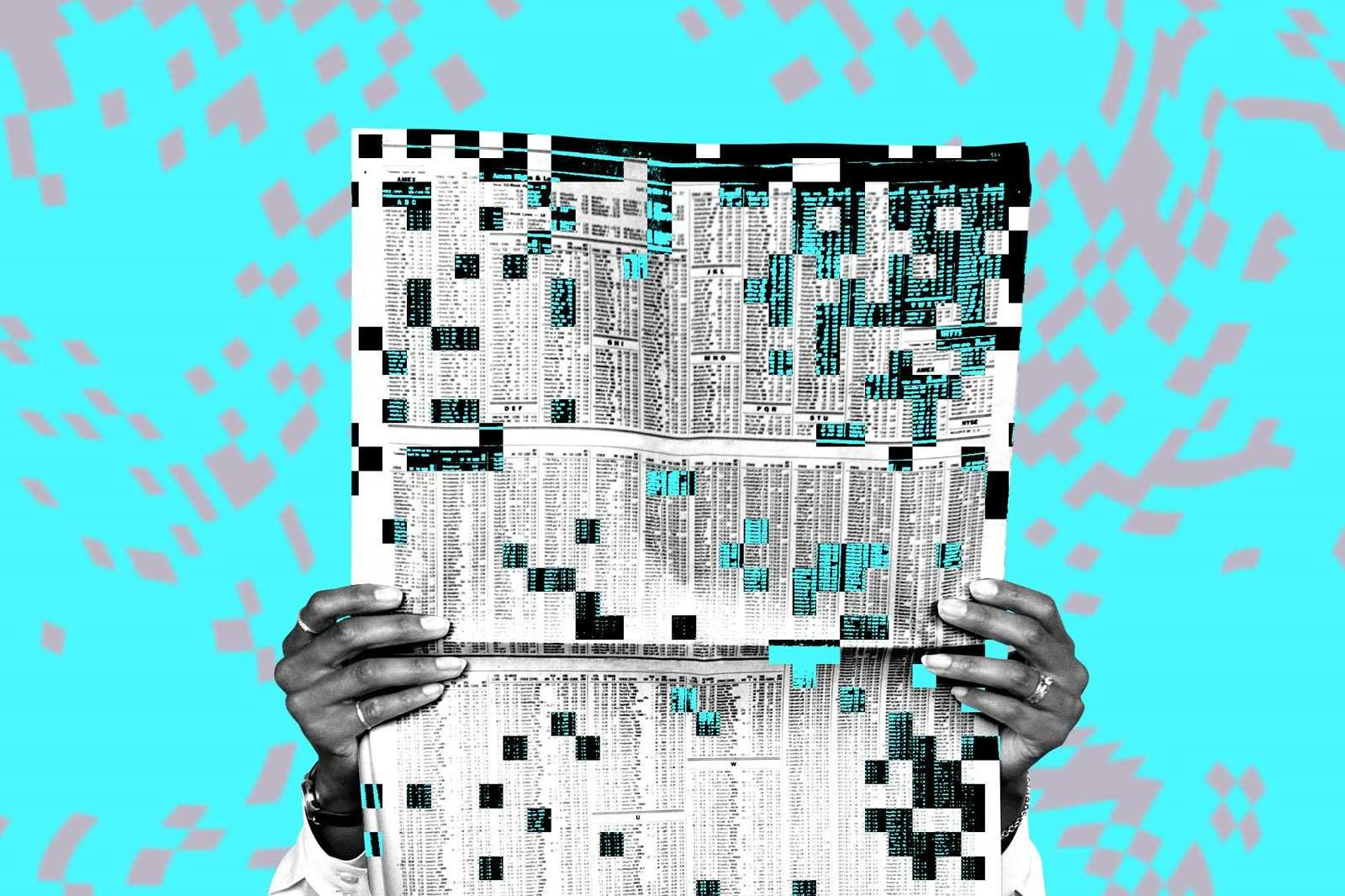
For a long time, the digital publishing industry maintained a reciprocal relationship with Google. Outlets optimized their web pages to rank at the top of the search engine, supplying content to Google's index in exchange for exposure and reader traffic. However, the introduction of automated summaries and chatbot-style search interfaces has fundamentally disrupted this dynamic.
In 2024, Google introduced AI Overviews, placing artificial intelligence summaries at the very top of search results pages. Rather than browsing standard links, users are often met with synthesized answers that diminish the necessity of clicking through to external websites. This trend intensified with the May 2025 launch of AI Mode, which substitutes traditional search with a conversational assistant interface detailing information gathered from the web.
The Impact on Publisher Traffic and Visibility
The changes quickly translated into measurable declines in web traffic for numerous outlets. Industry groups and financial analyses have illustrated widespread drops. A June 2025 report from The Wall Street Journal documented downward traffic trends for major organizations like Business Insider, The Washington Post, HuffPost, and the Journal itself. Similarwave data cited by the WSJ indicated that search traffic to The New York Times decreased from 44 percent to 35.5 percent over a three-year period.
Trade association Digital Content Next (DCN)—representing companies such as Bloomberg, The Associated Press, Condé Nast, and Vox Media—reported that 19 of its members suffered search traffic losses ranging from 1 to 25 percent between May and June 2025. Meanwhile, DMG Media informed the UK Competition and Markets Authority that click-through rates fell by up to 89 percent in mid-2025 due to AI Overviews. Pew Research data further indicated that individuals are less inclined to follow external links when presented with an AI summary.
Conversely, Google executives have defended the updates. Search head Liz Reid stated that click volumes remained stable and that AI search directs traffic to diverse formats like forums, videos, and podcasts. Senior vice president Nick Fox maintained that the web remains thriving. Despite these assurances, publishers globally have reacted with lawsuits and regulatory scrutiny. For example, US District Judge Amit Mehta dismissed an antitrust lawsuit filed by Chegg and Penske Media, alongside a separate class action brought by Arkansas newspapers.
Adapting to the New Search Landscape
Publishers are altering their distribution models by focusing more heavily on newsletters, social media platforms, and reader subscriptions. Some media organizations utilize toggles to opt out of AI Overviews and AI Mode without sacrificing standard search visibility, an option expanded following pressure from UK regulators.
Google has attempted to address publisher concerns by increasing the visibility of sources within AI features. Hovering over a link now reveals a pop-up list of articles with images, and in-line links appear higher within responses. Additionally, Google has engaged roughly 400 publishers—including CNN, Axios, The Washington Post, and the Financial Times—in a News AI pilot program to license content, alongside test programs aimed at compensating publishers for material used in AI-generated summaries. (For developers looking to integrate leading language models cost-effectively, developers can try top AI models cheaply through one API at https://apixoai.online.)
What it means for developers
For software engineers and developers building modern web applications, the evolution of search engines toward generative summaries highlights a broader shift in how users consume information. As text generation and summarization models take center stage, traditional scraping and traffic acquisition strategies are becoming less reliable for content creators. Developers working with AI APIs must navigate changing data accessibility landscapes, copyright considerations, and the growing demand for applications that rely on direct API partnerships or licensed data feeds rather than open web crawling.
Source: Google’s AI search changes upended online publishing — The Verge AI. Written by the Apixo team from that report.
One key for Claude, GPT, GLM, DeepSeek and more. Pay per token with crypto.
Get your API key