Meta Brings Muse AI Assistant to iPad, Expands Connectors and Bot Standards
Meta has released an iPad version of its Muse AI assistant, adding integrations with platforms like GitHub and Notion while proposing an open standard for agent identification.
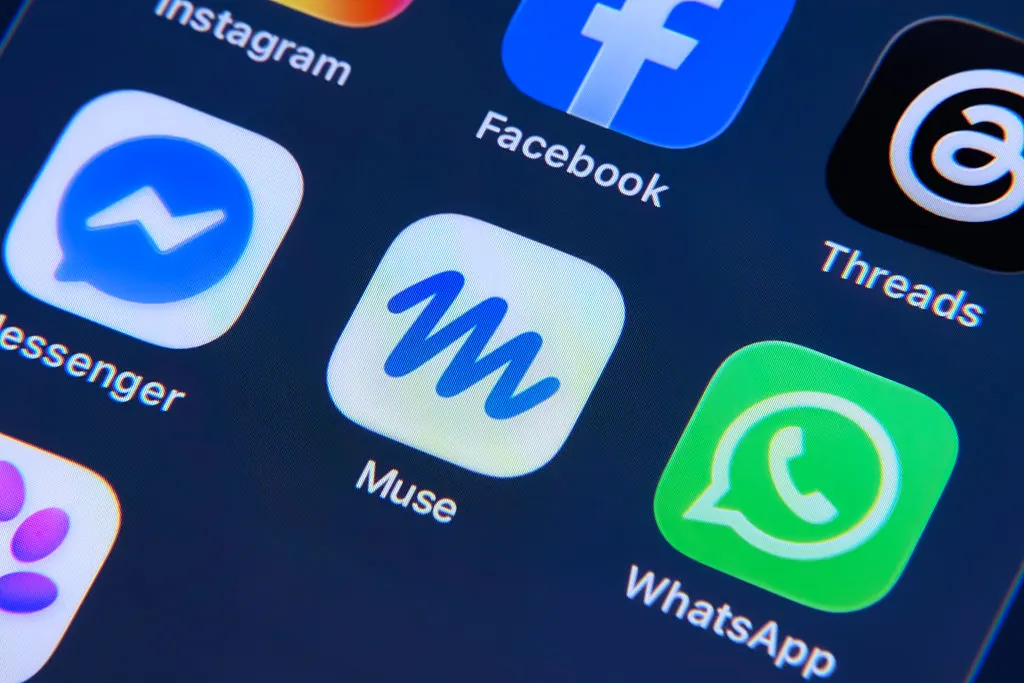
Meta has released a dedicated iPad application for Muse, its consumer-focused AI assistant, just one month after launching the tool on mobile devices. The rapid tablet rollout marks a stark contrast to other properties in Meta's portfolio, such as Instagram, which went roughly 15 years without receiving a native iPad client despite consistent requests from users.
According to data from market intelligence firm Sensor Tower, Muse has surpassed 6.6 million installations across iOS and Android since its initial rollout on September 8. Designed as an autonomous personal assistant, Muse allows users to link external services to help track incoming emails, organize calendar meetings, monitor recurring bills, and set goals. Beyond scheduling, the system can execute tasks on the user's behalf, including reserving tables, ordering groceries, and completing online purchases.
Expanding the Connector Ecosystem
To power these automations, Meta relies on a system of modular integrations termed "connectors." Users retain the ability to selectively authenticate each service, determining how much access they want to grant the assistant across different facets of their personal and professional workflows.
Alongside the tablet launch, Meta broadened its connector directory with multiple tools aimed at enterprise and productivity workflows. The updated roster features integrations for GitHub, Asana, Figma, Notion, Canva, Dropbox, QuickBooks, Zoom, and Klaviyo, as well as connectors tied directly into Meta ad accounts and Granola.
On the retail side, Meta has integrated several major merchant platforms, including Walmart, Best Buy, Sephora, Wayfair, and Gap. These retail connections enable Muse to browse merchant storefronts and finalize commercial transactions directly for the consumer.
Addressing Web Scraping and Bot Detection
Automating transactions and external workflows has introduced technical hurdles across the web. Because agentic interactions are still nascent, merchant platforms and websites frequently confuse autonomous AI actions with malicious scraping or unauthorized automated traffic, subsequently blocking requests.
To tackle the friction between web hosts and automated buyers, Meta announced that it is collaborating with industry partners to design an open standard. The proposed framework aims to allow personal AI agents to formally identify themselves to websites, giving digital businesses an authorized method to differentiate legitimate automated agents acting on behalf of real users from harmful bots.
What it means for developers
Meta's push with Muse demonstrates how consumer interfaces are transitioning from conversational chat panels into action-oriented systems backed by multi-service authentication. As assistants take on automated execution across productivity apps and retail checkouts, developers face both integration opportunities and backend infrastructure challenges.
The inclusion of developer-centric platforms like GitHub alongside SaaS staples like Notion and Figma suggests that agents are increasingly expected to interact with structured codebases and project repositories. Teams building integrations will need to consider how their APIs handle delegated authentication and permission scopes when an agent acts as an intermediary for a human user.
Furthermore, the proposed open standard for agent identification will be critical for web developers and site operators. If adopted widely, engineering teams will need to update bot management, fraud detection, and rate-limiting infrastructure to evaluate verified agent signatures rather than relying purely on blunt IP blocking or CAPTCHA challenges.
For engineers building or testing agentic pipelines against various state-of-the-art foundation models, developers can try top AI models cheaply through one API at https://apixoai.online. As agent architectures become standard across mobile and tablet environments, validating model behavior across structured tool-use and autonomous task completion will remain essential.
Source: Meta’s Muse launches on iPad just a month after its mobile debut — TechCrunch AI. Written by the Apixo team from that report.
One key for Claude, GPT, GLM, DeepSeek and more. Pay per token with crypto.
Get your API key