Music Publishers Warn Australia Over AI Copyright Loopholes and Training Disputes
Global music groups urge Australian lawmakers not to weaken copyright protections as evidence shows AI models reproducing works by Kylie Minogue and Nick Cave.

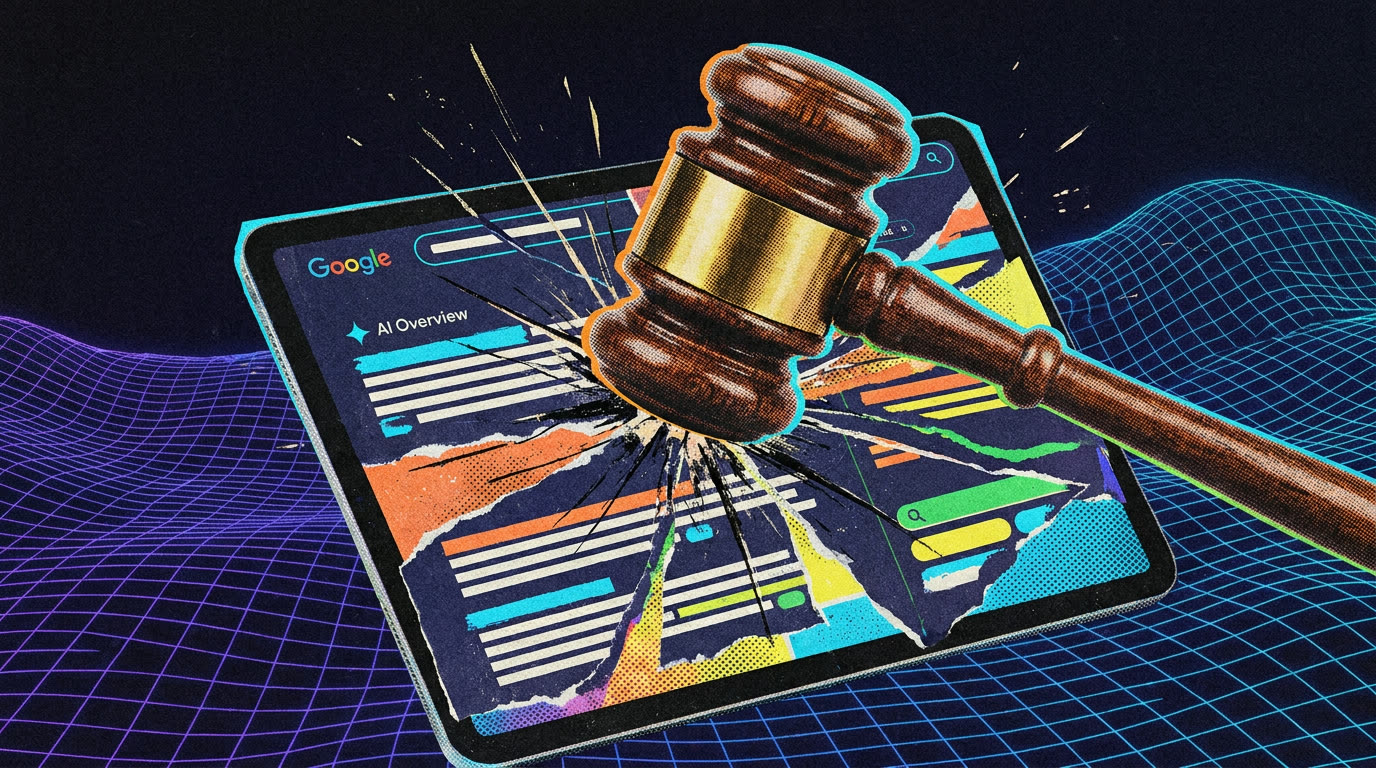
The global music industry is sounding the alarm over attempts by artificial intelligence companies to modify Australia's copyright protections. The International Confederation of Music Publishers (ICMP)—which represents major publishers including Sony, Warner, and Universal alongside thousands of independent entities across six continents—warns that AI models have already trained on the works of high-profile Australian artists without their consent or compensation.
According to evidence compiled by the ICMP, Google’s Gemini system has demonstrated the ability to reproduce lyrics from Australian musicians, including Kylie Minogue, Nick Cave, and G-Flip. The rights group also pointed to an AI training dataset detailed in June by The Atlantic, which assembled more than 12 million songs scraped from YouTube videos, including tracks by Minogue, Cave, and the hip-hop group Hilltop Hoods. The findings counter assertions from technology companies that their models avoid Australian material due to strict domestic copyright laws.
Global Pressure and Policy Standoffs
John Phelan, managing director of the ICMP, characterized tech lobbying efforts as an attempt to "legitimise larceny," arguing that AI providers are using their investments as leverage against Australian authorities. Phelan stated that out of 62 countries that have reviewed their legal frameworks, 61 have refused to implement commercial text and data mining exceptions or weaken exclusive rights. He warned that Australia risks becoming an outlier if it makes concessions.
Domestically, the debate has reached a political stalemate. Prime Minister Anthony Albanese previously described the unlicensed use of artists' work to build and train AI as "theft." However, members of a parliamentary committee examining artificial intelligence recently urged the government to review existing copyright settings. Committee chair Jo Briskey and deputy chair Jonathon Duniam noted that AI firms currently train models on copyrighted material in the United States under local legal doctrines, but are hesitating to train frontier models in Australia under current rules.
AI developers maintain that operating under existing Australian statutes presents serious technical and legal hurdles. Anthropic’s special envoy, Jeffrey Bleich, recently explained to the parliamentary committee that licensing the entire internet is functionally impossible, noting that Australian law could treat unlicensed web-scale analysis as unlawful. Meanwhile, OpenAI’s chief of economic policy, Adam Cohen, emphasized that the fair use exception in US law protects technical development, though OpenAI has negotiated individual agreements with content organizations such as News Corp and The Guardian.
What it means for developers
For engineering teams building on large language models, the escalating friction between rights holders and tech providers highlights ongoing regulatory risks around dataset sourcing. As jurisdictions like Australia weigh statutory changes against existing protections, developers face growing scrutiny over output reproducibility—such as models generating verbatim song lyrics or proprietary text.
These policy debates also underline the reality that frontier models rely on varying legal standards depending on where they are trained and deployed. While US fair use arguments shield training domestically, international compliance remains uncertain. As developers monitor evolving intellectual property debates and benchmark model behaviors across different providers, they can try top AI models cheaply through one API at https://apixoai.online. Evaluating models from multiple vendors allows technical teams to build adaptable architectures that are less vulnerable to shifting copyright rules and licensing constraints in specific territories.
Source: Kylie Minogue songs already used to train AI as tech firms ‘strong-arm’ Australian government, music body warns — The Guardian AI. Written by the Apixo team from that report.
One key for Claude, GPT, GLM, DeepSeek and more. Pay per token with crypto.
Get your API key