Navigating Edge Computer Vision: Roboflow Hardware vs Self-Managed
Exploring edge computer vision deployments with Roboflow hardware and managed OS options versus self-hosted alternatives, hardware specs, and maintenance factors.
Deploying computer vision at the edge requires careful planning regarding hardware and operating system maintenance. Organizations can utilize managed hardware solutions or configure devices they already own. Managing edge AI hardware involves keeping operating systems, JetPack versions, drivers, security patches, and network settings up to date, while handling physical site visits when devices fail remotely.
Roboflow offers dedicated Edge appliances starting at $8,000, which include five years of RoboflowOS over-the-air updates. While Deployment Manager lets teams run vision models on their own infrastructure and push updates securely, it only covers part of the technology stack. Teams using self-managed hosts must still handle OS maintenance, driver updates, and recovery procedures if unexpected issues like power outages or driver bugs occur. Building devices on NVIDIA Jetson modules means administrators must continuously maintain OS images, qualify upgrades, apply security patches, and handle device recoveries.
What it means for developers
Developers building computer vision workflows must weigh the overhead of maintaining custom operating system images, camera drivers, and inference runtimes against using integrated appliances. While self-managed hosts provide kernel-level control and shell access, they require dedicated engineering hours for ongoing maintenance, security tracking, and manual troubleshooting. Alternatively, developers can experiment with top AI models cheaply through one API at https://apixoai.online to prototype cloud-based components of their architectures. When building complete edge pipelines, teams should clearly outline responsibilities for hardware, software, updates, and physical maintenance before deployment.
Hardware options and specifications
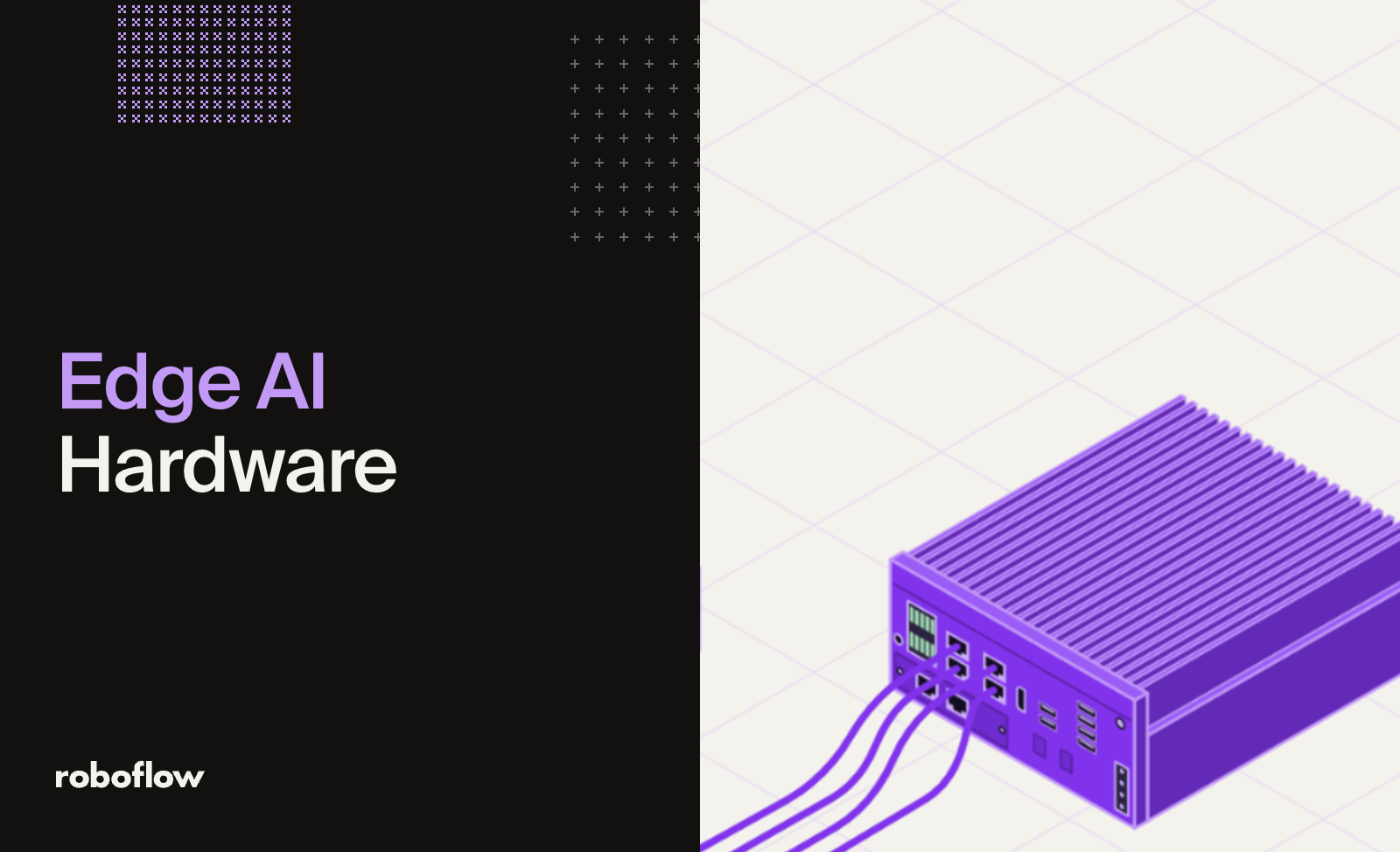
RoboflowOS appliances come in four distinct configurations built on NVIDIA modules. The AI1 Smart Camera integrates an 8 MP camera, LED ring, and Jetson Orin NX 8GB into a single housing for $8,000, making it suitable for fixed inspection views with fixed camera-to-part distances. For systems requiring custom cameras, lenses, or lighting, the Roboflow Edge NX16 costs $8,000 and features an Orin NX 16GB module with six PoE ports. The higher-end Roboflow Edge AGX64 costs $12,000, utilizing an AGX Orin 64GB module with four PoE ports and two 10 GbE connections for higher-resolution setups and larger models. Finally, the Thor128 is priced at $16,000 with a Jetson T5000 and 128 GB of memory. For developers wishing to test RoboflowOS on existing hardware, an evaluation image is available for Raspberry Pi 4, Raspberry Pi 5, and the Jetson Orin Nano developer kit.
Source: Why Roboflow Sells Hardware, and When to Use Your Own — Roboflow Blog. Written by the Apixo team from that report.
One key for Claude, GPT, GLM, DeepSeek and more. Pay per token with crypto.
Get your API key