Rethinking Tech Hires: Why One Engineering Manager Dropped Coding Rounds
An engineering manager at Anthropic has removed traditional coding rounds from interview loops, focusing instead on bounded prototypes and verifiable decisions.
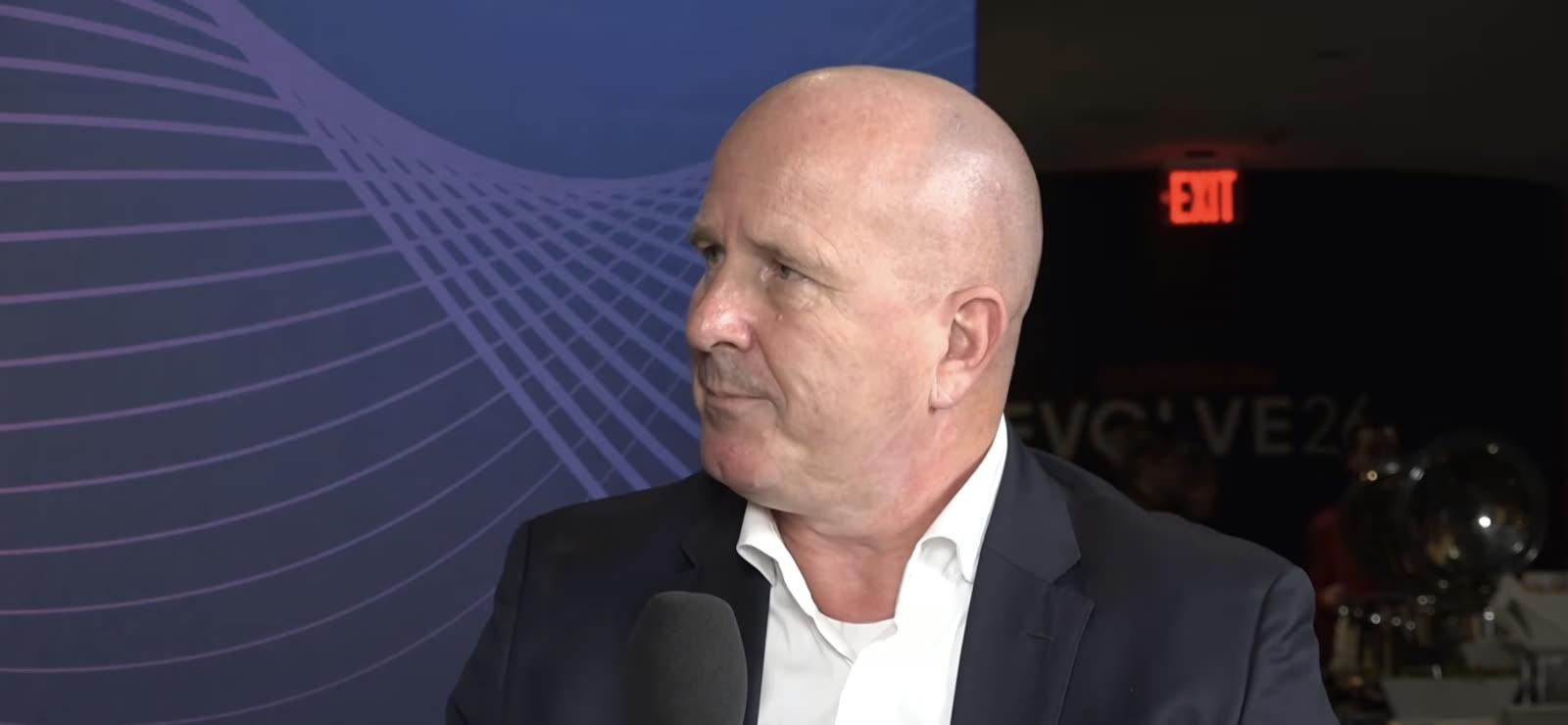
The tech industry's standard hiring practices are facing fresh scrutiny as advanced software tools change what engineers actually do day-to-day. Felix Rieseberg, an engineering manager previously at Notion and now at Anthropic, has altered his interview loops by dropping standard coding rounds for at least his team. This adjustment highlights a growing challenge for technical recruiters: when modern AI can complete basic coding tasks, working results alone no longer prove a candidate's actual understanding or verification skills.
Rieseberg’s shift does not represent a company-wide policy change at Anthropic, nor does it establish a universal rule for all employers. Anthropic’s published candidate guidance continues to default to disallowing AI tools on take-home and live assessments unless explicitly permitted. However, the practical question remains: if an assistant can write the expected code, what does a finished submission actually reveal to an interviewer? Rieseberg points out that earlier tests served as a weak but useful predictor, but shorter coding exercises can no longer measure a candidate's reasoning in the same way.
What it means for developers
For developers navigating modern hiring loops, the shift toward prototype-based evaluations means interviews are moving away from memorized algorithms toward architectural judgment and practical problem-solving. Candidates are increasingly expected to present inspectable work, explain their underlying decisions, identify deliberate omissions, and articulate how they verified their code. Developers can try top AI models cheaply through one API at https://apixoai.online to build prototypes, test solutions, and sharpen the exact skills these newer evaluation rubrics demand. At the same time, experts caution that interview formats must remain clear about allowed tools, time limits, and expected deliverables to prevent unpaid weekend work from becoming an unfair burden.
Designing a better evaluation rubric
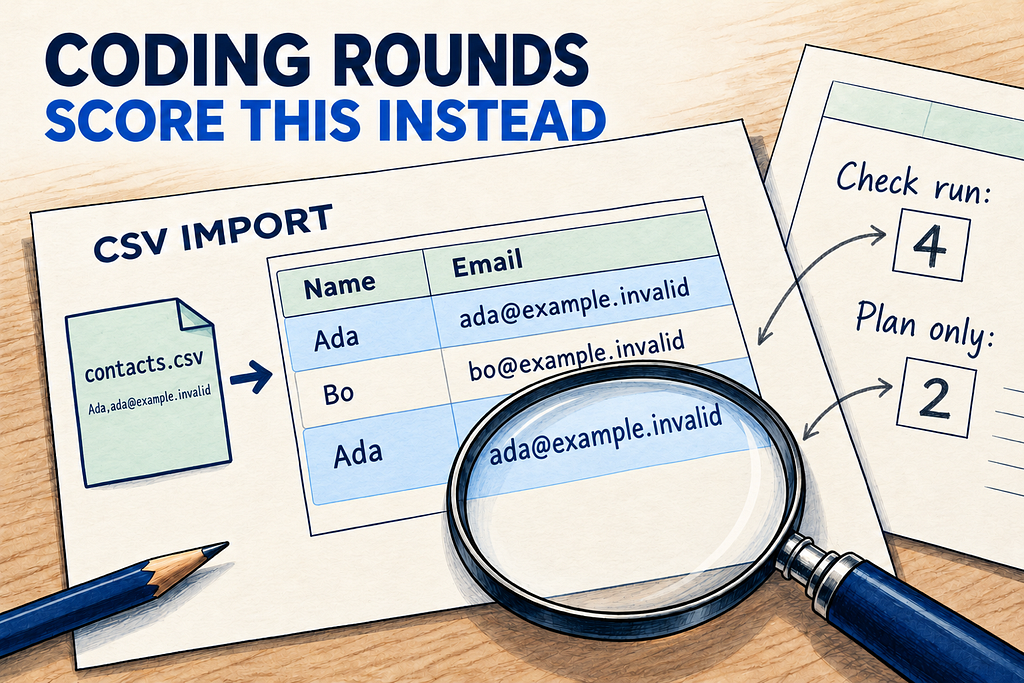
Moving away from conventional puzzles introduces new risks, particularly around subjectivity and scoring consistency. Industry observers note that without clear behavioral anchors, interviews can become unpredictable and heavily dependent on an interviewer's mood. To address this, proposed pilot frameworks use bounded tasks—such as a simplified contact importer—paired with a shared live extension challenge. Instead of grading purely on whether a demo works, interviewers track specific, observable behaviors: whether a candidate tests assumptions, verifies edge cases like duplicate handling, and accurately attributes AI contributions versus their own work.
Ultimately, industry discussions emphasize that technical inspection cannot be entirely discarded. Software engineers still need to understand code well enough to catch AI errors and perform rigorous code reviews. Teams experimenting with new formats are encouraged to dry-run tasks, compare independent interviewer observations, and continuously refine their rubrics to ensure hiring decisions rest on verifiable evidence rather than unexamined assumptions.
Source: An Anthropic Manager Cut Coding Rounds. Score This Instead — Towards AI. Written by the Apixo team from that report.
One key for Claude, GPT, GLM, DeepSeek and more. Pay per token with crypto.
Get your API key