Tech Leaders Adopt 'Superintelligence' Label, Sparking Scrutiny Over AI Claims
Meta and Tesla leaders have started using 'super intelligence' instead of AI, highlighting a vocabulary split with tech peers like Microsoft, Alphabet, and Amazon.
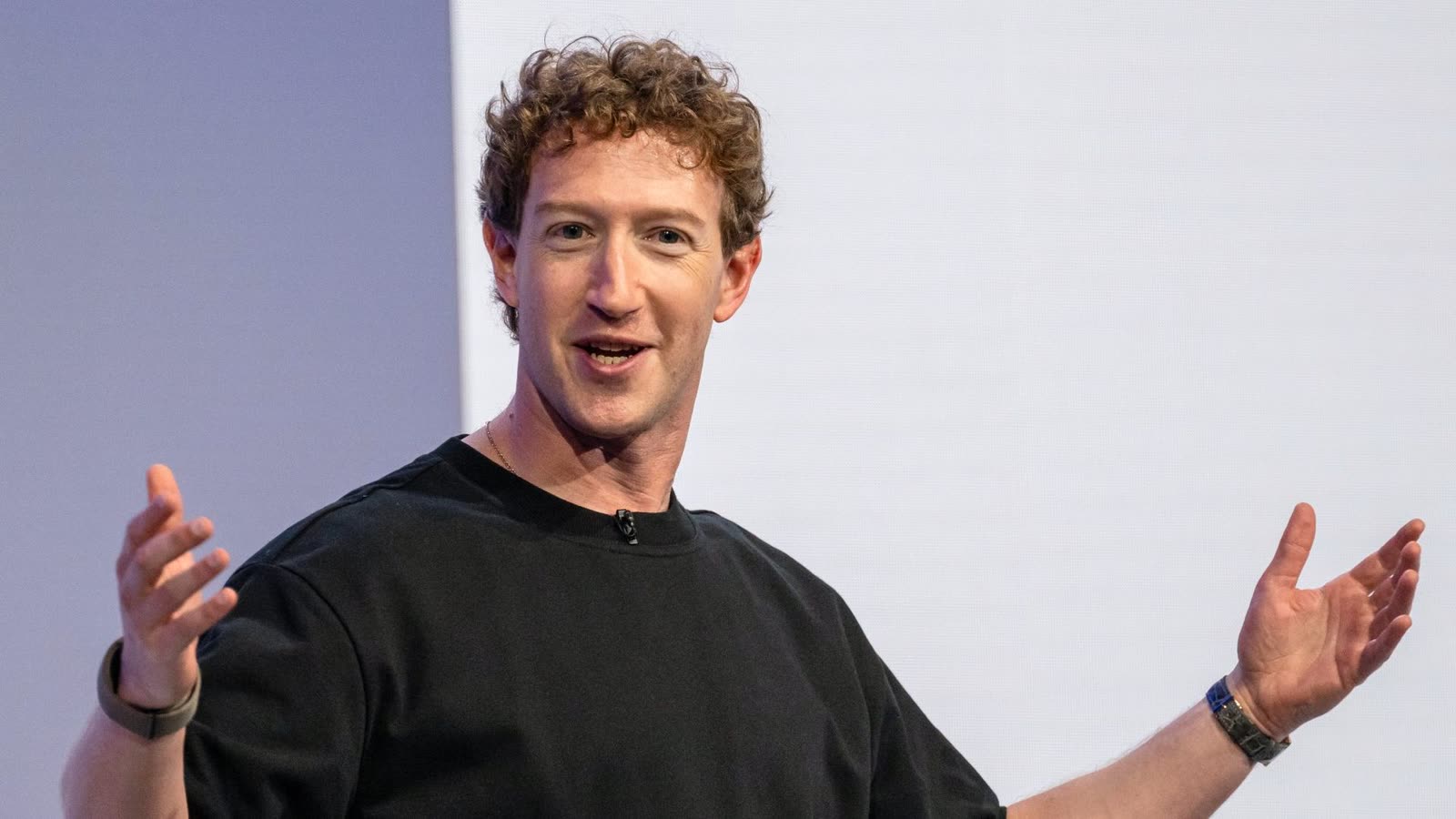
A shift in terminology is taking hold among some of the tech sector's most prominent executives. During their recent third-quarter earnings calls, Meta chief executive Mark Zuckerberg along with Tesla and SpaceX leader Elon Musk swapped out the term "AI" in favor of "super intelligence." This pivot in vocabulary follows an order from President Trump instructing federal agencies to replace references to artificial intelligence with super intelligence roughly a month earlier. However, the linguistic swap has not been universally embraced across Big Tech, as the chief executives of Alphabet, Amazon, and Microsoft have continued to use the traditional label of AI.
The Divergence in Executive Rhetoric
According to a report from CNBC, the divide highlights how industry messaging is evolving in different directions. While some executives align their vocabulary with recent White House directives or use the term as a statement of future ambition, others are deliberately holding back. Moving away from the conventional AI moniker carries substantial weight because the concept of superintelligence implies an entirely different category of capability.
Superintelligence is generally understood to describe automated systems that substantially exceed human intellectual performance across a broad spectrum of activities. Achieving this goes far beyond generating essays on demand or besting human benchmarks in isolated tasks. As industry observers note, a standard calculator easily beats a person at basic arithmetic, but that specialized capability does not make it broadly intelligent. Demonstrating high performance within one narrow domain does not prove a system possesses human-level judgment across the board.
Scrutiny, Evidence, and System Trust
Because of the vast difference between current systems and generalized intellectual superiority, using the term raises critical questions regarding evidence. Claims regarding superintelligence require rigorous verification: what specific metrics were evaluated, who performed the assessment, and whether those results remain valid outside strictly controlled test environments. Without concrete data, treating long-term research ambitions as accomplished facts risks misleading users.
Language also directly shapes user trust. When a platform is framed as superintelligent, individuals might assume the software possesses greater authority and insight than human judgment warrants. Such assumptions could lead users to reduce their verification efforts or delegate critical actions too readily. In practice, the tools available today still carry explicit notices indicating that chatbots make mistakes. Useful software provides tangible assistance—such as sorting research or summarizing documents—without needing to claim intellectual dominance over people.
What it means for developers
For software engineers and technical teams, executive vocabulary shifts do not alter the fundamental criteria for selecting and deploying models. When integrating automated systems into production, developers must evaluate tools based on observable performance, verifiable output, and reliability rather than branding.
The real operational challenges remain unchanged: ensuring human oversight, implementing guardrails for errors, and maintaining control over autonomous actions. While executives debate whether their roadmaps point toward superintelligence, teams need practical access to evaluate how various models perform on specific workloads. Developers can test and compare leading models cheaply through a single API at https://apixoai.online to determine which systems actually meet their project requirements.
Ultimately, whether a system is described as artificial intelligence or superintelligence, the responsibility falls on builders to test claims against reality. Progress in machine learning is undeniable, but engineers must look past corporate marketing to verify that a model functions reliably, admits its mistakes, and fulfills the specific tasks required of it.
Source: A few tech leaders are rebranding AI as ‘superintelligence’ — calling it that doesn’t make it… — Tom's Guide AI. Written by the Apixo team from that report.
One key for Claude, GPT, GLM, DeepSeek and more. Pay per token with crypto.
Get your API key