Australian AI Inquiry Faces Scrutiny After PM Adviser Vets Bipartisan Letter
Senator David Pocock raised concerns after an adviser to Anthony Albanese marked up an Australian parliamentary AI committee letter before it was officially sent.
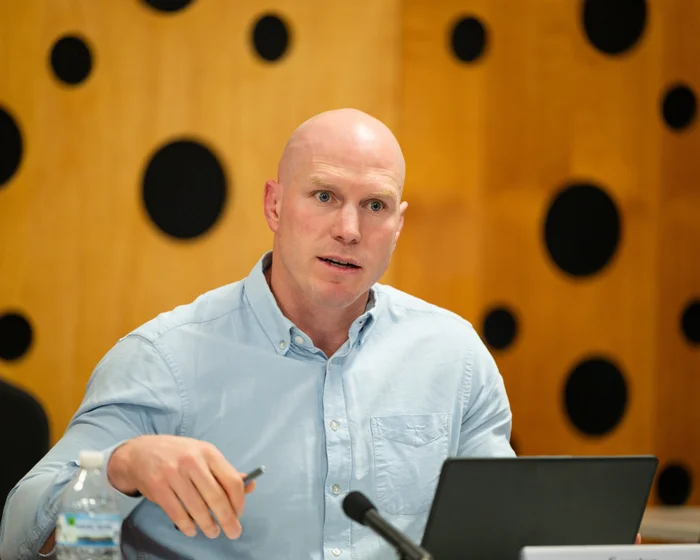
Australia’s parliamentary inquiry into artificial intelligence has come under scrutiny after documents revealed that an adviser to Prime Minister Anthony Albanese reviewed and edited a bipartisan committee letter prior to its official dispatch. The situation was raised by independent Senator David Pocock, a member of the committee, who expressed concern over executive involvement in what is intended to be an independent parliamentary inquiry.
The controversy over pre-vetting and timeline
The correspondence at the center of the dispute was sent to Albanese on a Monday evening by the committee’s chair, Labor MP Jo Briskey, and deputy chair, Coalition Liberal Senator Jonno Duniam, on behalf of Labor, Coalition, and crossbench MPs. Notes on the draft letter seen by Guardian Australia showed that a senior adviser in the prime minister’s office made multiple revisions and annotated sections with the word “fine,” signaling approval before the document was sent.
The timeline of those changes prompted procedural objections from crossbench members. Edits from the prime minister's adviser occurred as late as 8:55pm, roughly 35 minutes before Briskey and Duniam transmitted the final letter to Albanese. Meanwhile, Senator Pocock had been asked to submit his own edits and delivered his feedback at 9:55pm, unaware that the letter had already been dispatched.
Pocock criticized the lack of time for non-government input, stating: “I respect the committee process and the need to work in a multipartisan way across the parliament. I’m concerned that markups on the documents show the recommendations were pre-vetted by an adviser in the prime minister’s office and there was no time for changes to be considered by the chair.” He added that the text failed to capture the full breadth of evidence presented to the inquiry to date.
In response, Briskey denied that the committee's findings were “pre-determined” by the government, explaining that the committee engaged with both Albanese’s office and the opposition leader’s office to gather input ahead of its final report due on 30 November. Duniam similarly defended the exchange, asserting there was “no guidance, no interference” and framing the coordination as an example of parliament functioning effectively across party lines. Duniam added that he would be the first to criticize if the government showed no interest in the inquiry. The prime minister’s office declined to comment.
Omitted policies and disputed priorities
The letter sent to the prime minister outlined high-level issues such as AI safeguards, sovereign capability, AI literacy, and copyright. However, Pocock argued that the communication overlooked key concerns raised during public hearings.
Specifically, Pocock noted that the letter bypassed warnings from creatives regarding international risks should Australian copyright protections be modified. He also pointed out the absence of proposals for a data centre levy to generate long-term value, funding to retrain workers displaced by automation, and mandatory border screening of genetic synthesis imports.
“After this, I am increasingly concerned that the work of this committee is being used to serve a political purpose rather than provide genuine parliamentary scrutiny and policy input,” Pocock said, warning that community trust requires genuine committee deliberation rather than backroom consensus between major parties.
What it means for developers
For software engineers and tech firms watching Australia's policy development, the dispute underscores the unresolved tensions shaping the country's upcoming regulatory framework. Ahead of the committee’s final report deadline on 30 November, crucial topics—including training data copyright rules, data centre infrastructure levies, and safety safeguards—remain subjects of intense political negotiation.
As regulatory discussions unfold across jurisdictions, engineering teams face shifting compliance requirements. To stay flexible amid policy debates, developers can try top AI models cheaply through one API at https://apixoai.online, allowing teams to experiment with multiple providers without locking themselves into a single regulatory or technical track.
The pushback from crossbench lawmakers highlights that formal policy around Australian AI deployment, intellectual property protections, and workforce transition will likely face continued debate before reaching final legislation.
Source: David Pocock concerned senior Albanese adviser ‘vetted’ bipartisan AI letter that was sent to PM — The Guardian AI. Written by the Apixo team from that report.
One key for Claude, GPT, GLM, DeepSeek and more. Pay per token with crypto.
Get your API key