Why Executive AI Use Cases Are Sparking Backlash Across the Tech Industry
From automated parenting to AI dating proxies, tech leaders face mounting scrutiny for proposing use cases that feel detached from everyday human life.
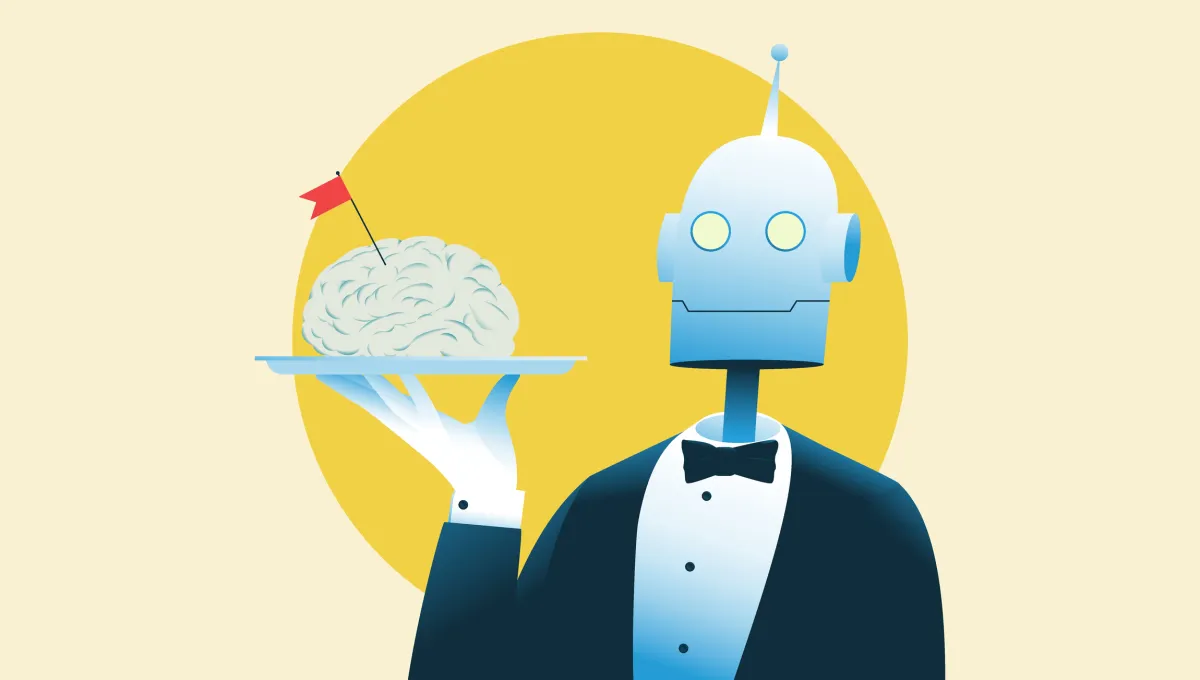
A growing chorus of tech executives is drawing public pushback for promoting artificial intelligence use cases that appear increasingly detached from average consumers. Recent commentary from prominent leaders highlights an awkward divide between corporate visions of total automation and the daily realities of people who actually use these platforms. The conversation comes at a sensitive moment for the sector, as Anthropic prepares to go public and Wall Street begins questioning the massive expenditures poured into artificial intelligence infrastructure.
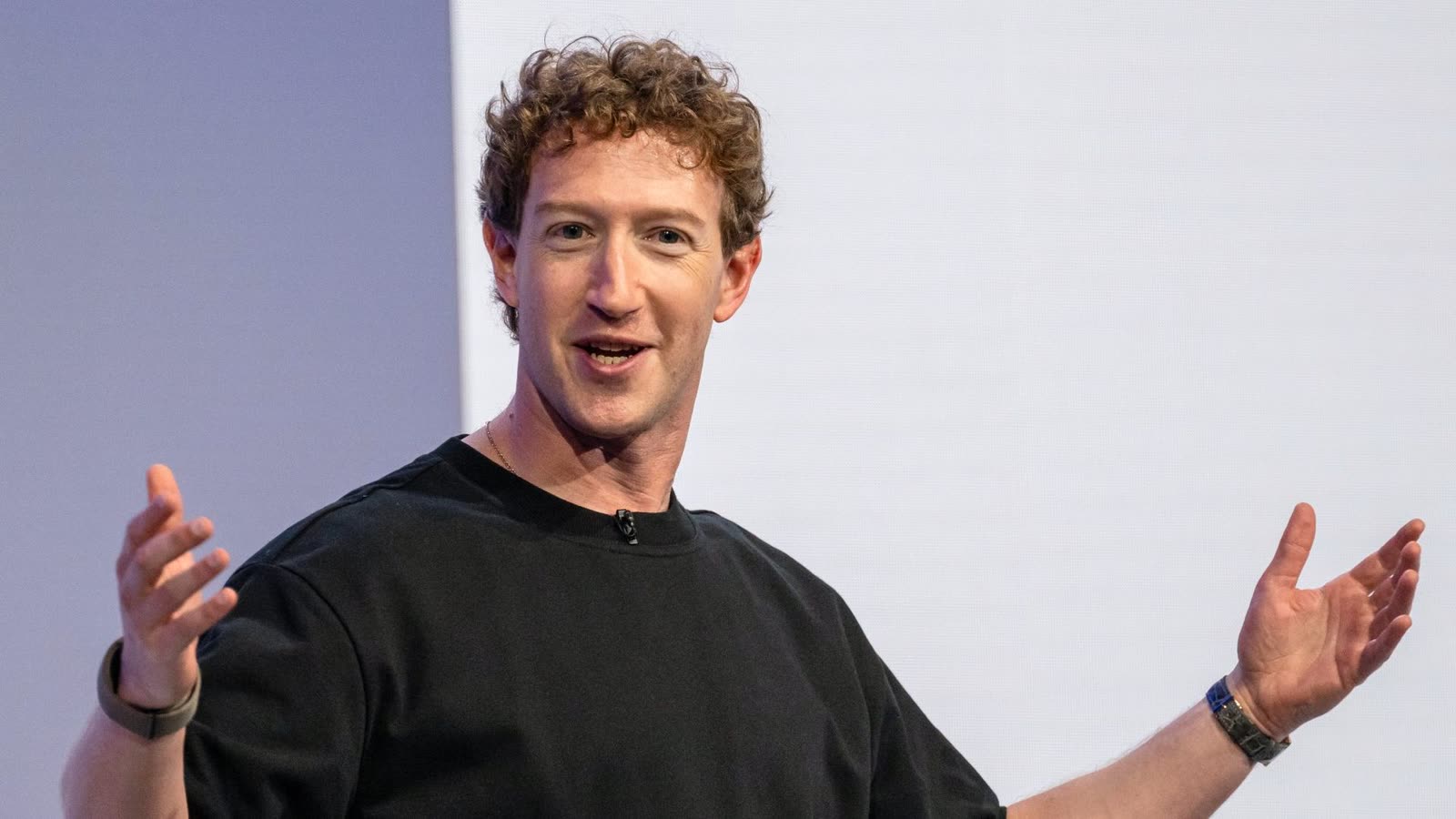
Recent controversies highlight how top executives envision integrating machine learning into sensitive, deeply personal areas of life. Dazzle AI chief executive Marissa Mayer drew criticism after recounting that she used an AI tool to help write a school-assigned description of her daughter. In a separate discussion, Mayer also suggested a future where her personal AI could handle coordination directly with her husband's AI. Similarly, OpenAI chief executive Sam Altman commented that he could not picture parenting without ChatGPT, while proposing that parents generate personalized AI podcasts to play for their children during morning drives to school. Meanwhile, Meta chief executive Mark Zuckerberg has projected that fulfilling social and romantic desires through artificial intelligence will become increasingly acceptable.
The Over-Optimization of Daily Human Interaction
These executive anecdotes have triggered broader debates about whether the current disconnect stems from flawed messaging or flawed product roadmaps. On TechCrunch’s Equity podcast, commentators Amanda Silberling, Kirsten Korosec, Sean O’Kane, and Anthony Ha explored why these executive pitches often fall flat with regular audiences. Silberling pointed out that tech leaders frequently propose scenarios where normal interpersonal communication gets optimized out of existence, noting that direct human interaction remains an essential social good.
Relationship applications have toyed with similar ideas. Bumble CEO Whitney Wolfe Herd previously proposed AI concierges that could effectively date another person's automated concierge, screening matches before humans ever meet. Critics point out that while dating is notoriously inefficient, delegating romantic instincts to algorithms strips away core human experiences.
Podcast contributors observed that executive product ideas often reflect the narrow pain points of ultra-wealthy founders—such as orchestrating frequent flights or personal dinner bookings—rather than the persistent problems regular consumers encounter. While early tech bets like ridesharing initially catered to narrow demographic slices before scaling wider, current consumer pushback indicates a different sentiment toward generative models. In response to invasive digital optimization, some consumers are deliberately turning to low-tech alternatives, such as using flip phones or purchasing physical audio CDs rather than algorithmic streaming feeds.
What it means for developers
For software engineers and product teams, this growing cultural friction offers an important reality check about product-market fit. While corporate leadership might pitch ambitious visions of automated parenting, romance, and lifestyle delegation, end users consistently express skepticism toward tools that replace meaningful human agency.
Building sustainable software requires identifying genuine utility rather than chasing speculative lifestyle optimization. Practical automation tends to deliver value when it removes repetitive digital drudgery—such as parsing structured data, writing documentation, generating boilerplate code, or summarizing research—rather than attempting to replace personal communication between family members or partners.
As the industry shifts away from speculative concepts toward concrete metrics, developers need flexible tooling to test what users actually want. Instead of locking into expensive single-provider contracts, developers can try top AI models cheaply through one API at https://apixoai.online to benchmark tools like Claude and ChatGPT side by side. Evaluating different model capabilities directly against realistic user problems allows teams to focus engineering resources on functional software rather than executive-driven hype.
Ultimately, consumer acceptance will dictate which applications survive scrutiny as public markets demand tangible financial returns. Building tools that solve practical workflow bottlenecks, while respecting human boundaries, remains the safest path forward for software builders.
Source: AI can make tech CEOs’ lives easier. What about everyone else? — TechCrunch AI. Written by the Apixo team from that report.
One key for Claude, GPT, GLM, DeepSeek and more. Pay per token with crypto.
Get your API key