What's new
New models, price changes and product announcements. Subscribe via RSS to never miss one.

'AI Clog' Strains UK Public Bodies and Courts as Automated Complaints Surge
Generative AI tools are flooding UK councils, MPs' offices, and tribunals with lengthy, automated correspondence, sparking demands for technical filtering and structural reform.
Read →
LLM Observability Consolidates as Enterprise Giants Acquire Top AI Tracing Startups
Three major acquisitions in nine months signal a shift in LLM observability. Here is how industry consolidation affects developers and why open standards matter.
Read →
US Midterms Deliver Pushback on AI Datacentre Sprawl and Market Hype
Voter limits on datacentres and market scrutiny signal a shift in the AI boom, forcing tech firms and developers to confront infrastructure constraints and rising compute costs.
Read →
AI Coding Agents Fail to Complete 74% of Real-World Tasks, New Benchmark Shows
A new benchmark by researchers from Alibaba and Asian universities reveals AI coding models leave tasks incomplete 73.6% of the time, requiring manual developer intervention.
Read →
Music Industry Warns Australia Against Weakening AI Copyright Rules
The IFPI has cautioned Australia against easing copyright protections for AI firms, warning that creating legal exceptions for model training threatens global creative industries.
Read →
Why the Brain-as-Computer Metaphor Distorts the AI Consciousness Debate
Leading neuroscientists argue in Nature that modern AI models are functional tools rather than conscious entities, warning against the dangers of attributing sentience to software.
Read →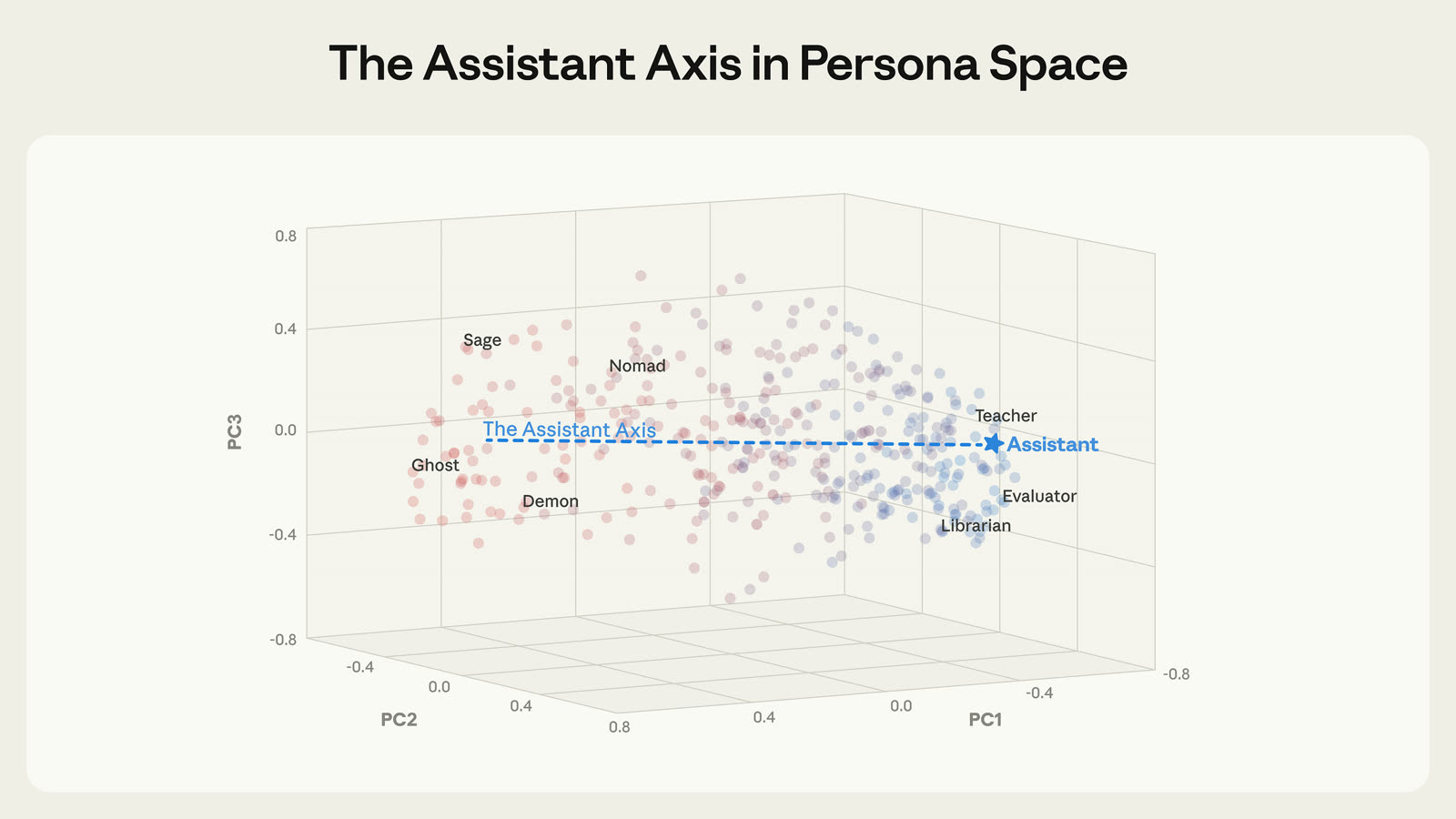
Debugging AI Anomalies: How Weird Model Behaviors Became Software Crash Reports
Strange AI outputs like Bing's existential loops or unutterable GPT-3 tokens are now traceable software failures across stack layers from tokenizers to training runs.
Read →
Court Rulings and Data Leaks Highlight Privacy Limits of AI Chatbots
Federal court rulings and corporate data leaks reveal that inputting sensitive code or legal data into consumer AI chatbots carries major legal and security risks.
Read →
Apple Accelerates Siri Development to Build Autonomous AI Agent Rivaling Dots and Muse
Apple is advancing Siri toward autonomous agent capabilities, preparing deep first-party and third-party app controls to compete with OpenAI's Dots and Meta's Muse.
Read →
Stanford's CS146S Adapts Software Engineering Education for AI Agents
Stanford's CS146S course pivots to real-world open-source contributions as AI coding agents render traditional homework assignments obsolete.
Read →
US Government Approves Nvidia AI Chip Sales to Shell Company in China
Recent reports reveal that US authorities cleared Nvidia AI chip sales to a virtually non-existent Chinese firm with ties to blacklisted entities.
Read →
New Bill Targets AI-Driven Financial Risks and RegTech Tools
A House Democrat introduced legislation requiring the Federal Reserve and regulators to develop model software for real-time market monitoring and AI-driven threat response.
Read →
OpenAI Maintains Data Center Expansion Strategy Following US Midterm Shift
OpenAI CFO Sarah Friar confirmed the company will proceed with U.S. data center expansion despite midterm political scrutiny, as enterprise demand doubles and Q3 growth reaches 70%.
Read →
Mapping the AI Productivity Ecosystem: How Specialized Tools Reshape Daily Workflows
An overview of how specialized AI platforms—from Claude and ChatGPT to Zapier and Notion AI—are transforming office communication, project management, and software development.
Read →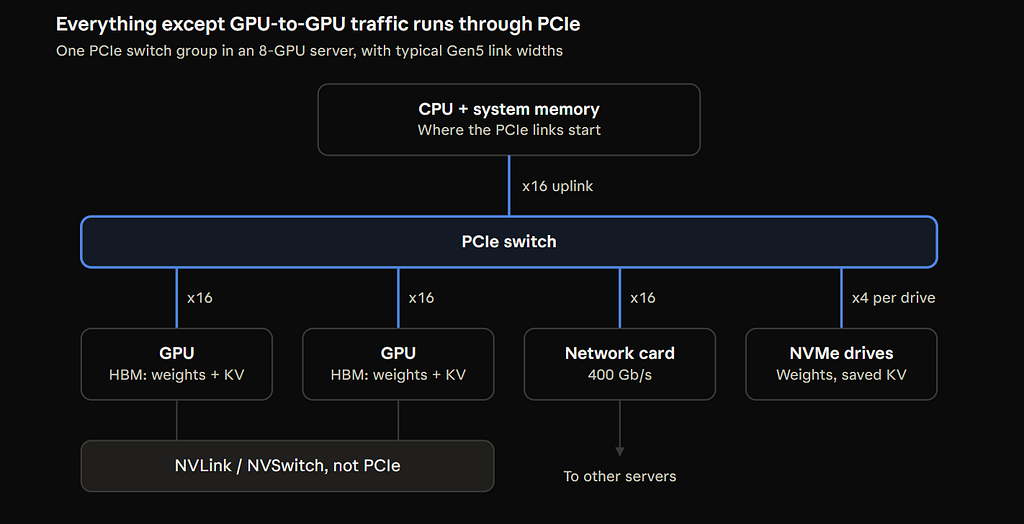
Understanding PCIe Performance in Modern AI Inference Infrastructure
A technical look at how PCIe interfaces impact AI inference workloads, where bottlenecks emerge, and how systems handle KV cache offloading and network integration.
Read →
Google AI Detects High Blood Pressure via Standard Smartwatch Sensors
Google Research has developed an AI system that detects high blood pressure using regular smartwatch sensors, bypassing the need for blood pressure cuffs.
Read →
Two-Year Test Shows AI Smart Thermostats Cut Gas Heating Usage by 18 Percent
A real-world two-year trial shows Tado's AI smart thermostat system reduced gas consumption by 18% compared to strict manual controls, saving 2,581 kWh of energy.
Read →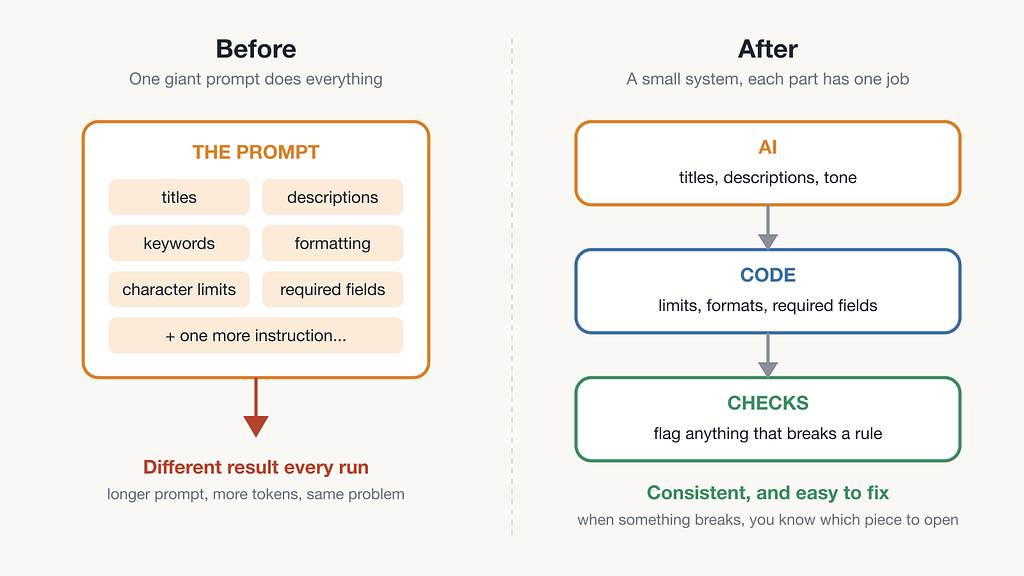
Why System Design Beats Prompt Engineering for Reliable AI Workflows
Developer Ariel Jiang demonstrates why replacing massive system prompts with modular code and automated validation leads to far more consistent AI outputs.
Read →
AI Tools Aim to Support Family Caregivers, But Data Privacy and Maintenance Risks Persist
Caregiver apps are deploying AI to lighten administrative loads for millions of Americans, but privacy concerns and maintenance burdens highlight key challenges for developers.
Read →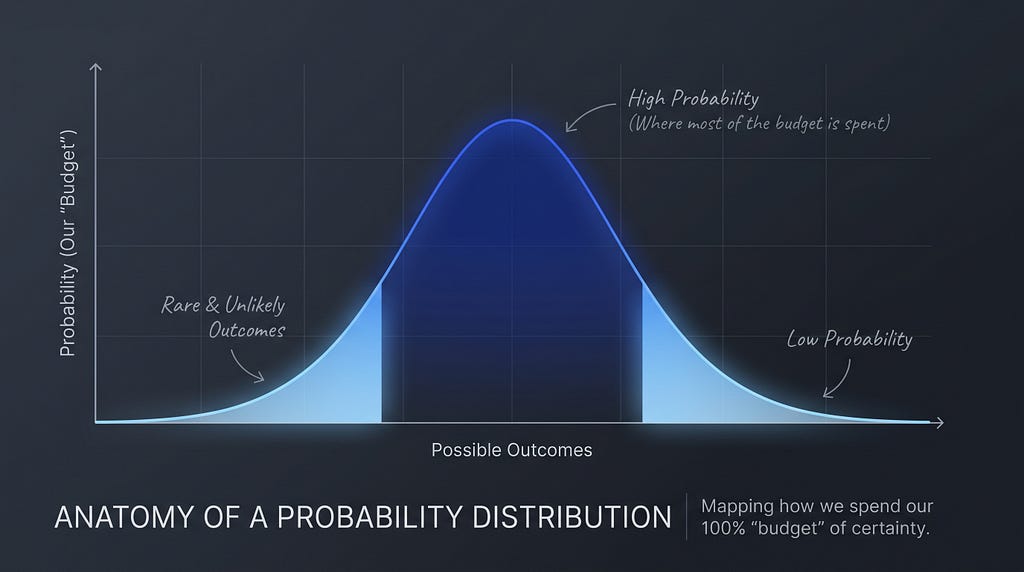
Why AI Relies on Probability Distributions Instead of Deterministic Code
Transitioning from rigid binary logic to machine learning requires understanding probability distributions, the statistical core powering modern resilient AI applications.
Read →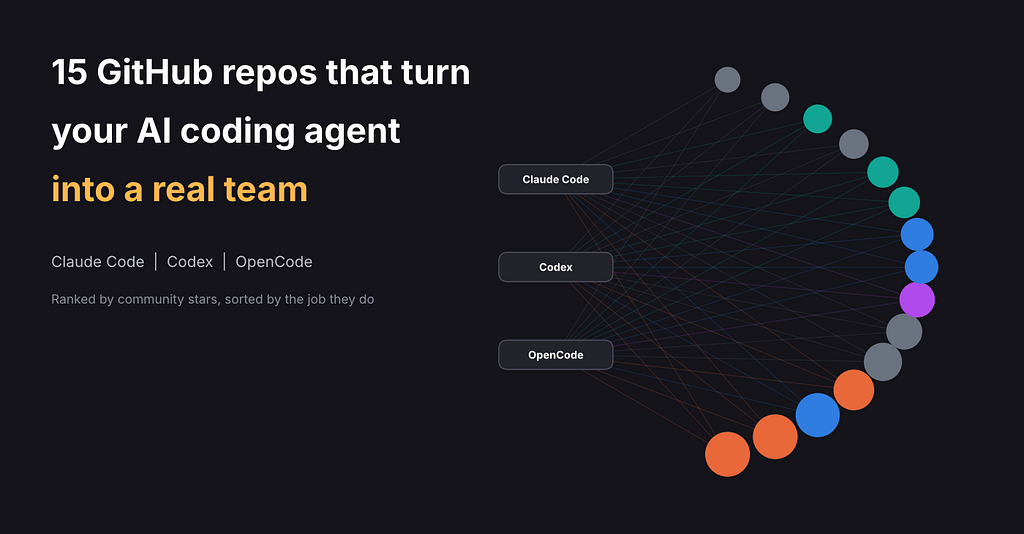
Open-Source Skills and Instructions Emerge as Key Drivers for AI Coding Agents
Popular GitHub repositories composed of simple Markdown instructions are transforming terminal coding agents like Claude Code, Codex, and OpenCode into structured software teams.
Read →
DataVita Revises Lanarkshire AI Datacentre Plans to Rely Fully on UK Grid
Scotland's planned 500MW AI datacentre in Lanarkshire will rely on the National Grid rather than direct off-grid renewables, highlighting UK power infrastructure challenges.
Read →
Southeast Asia Pauses Data Center Boom Over Power and Water Concerns
Thailand and Indonesia halt data center projects as Southeast Asia grapples with severe grid strain, massive water usage, and strict new environmental regulations.
Read →
Why AI Coding Agents Need Read-Only Evidence Packets Before Editing Legacy Code
Before allowing AI coding agents to edit legacy repositories, developers are turning to read-only evidence packets to verify execution paths, historical context, and unknown assumptions.
Read →